




2015
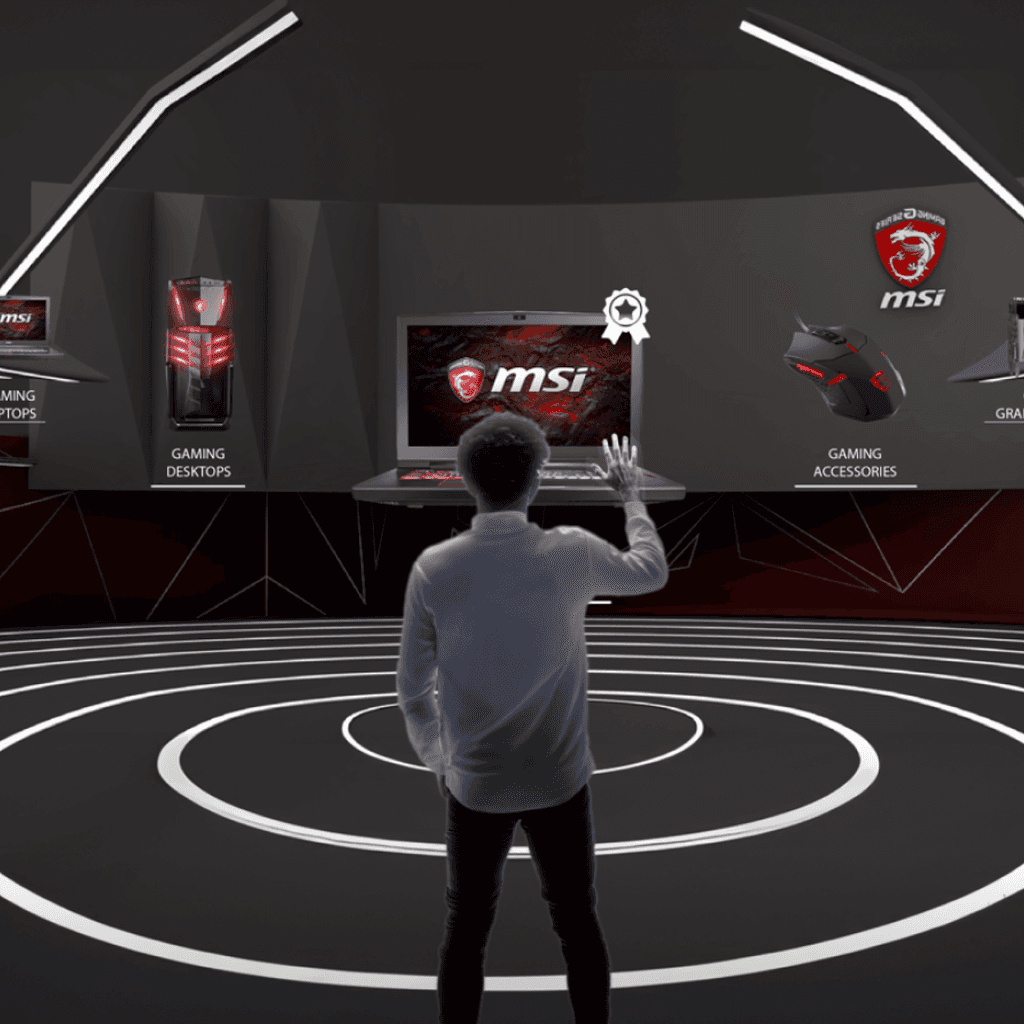
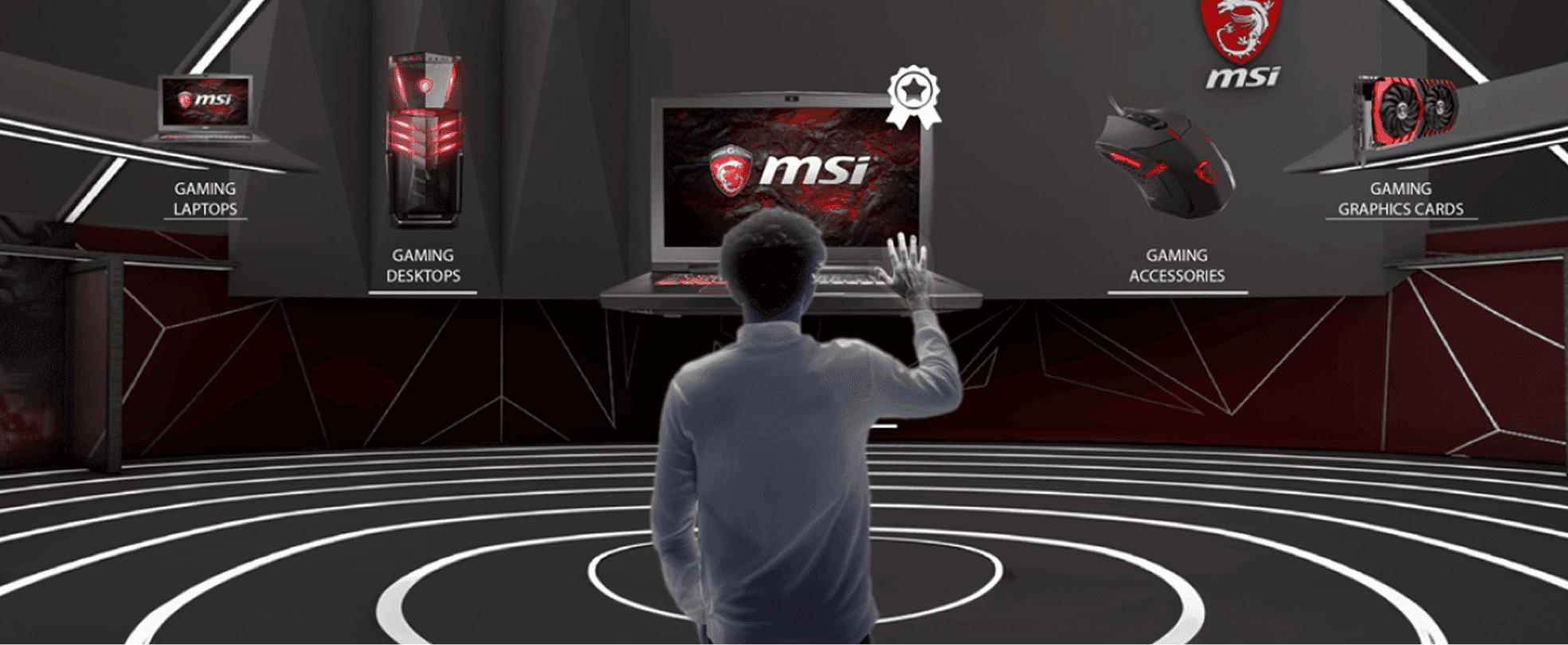
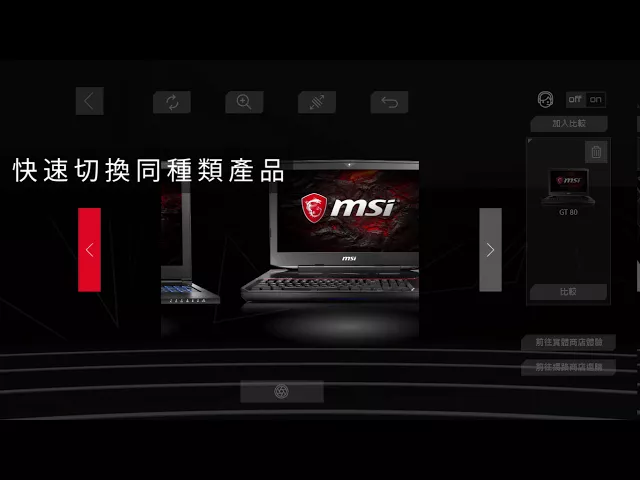
Enabled buyers to explore 60+ key models in a VR showroom, breaking spatial limits and maximizing product visibility.
Designed O2O shopping journeys and touch-points using service design, creating flow templates to guide sales strategies across various store types.
Strengthened MSI’s position as an industry-leading gaming brand, driving internal commitment to invest further in O2O experiences and virtual showroom innovations.
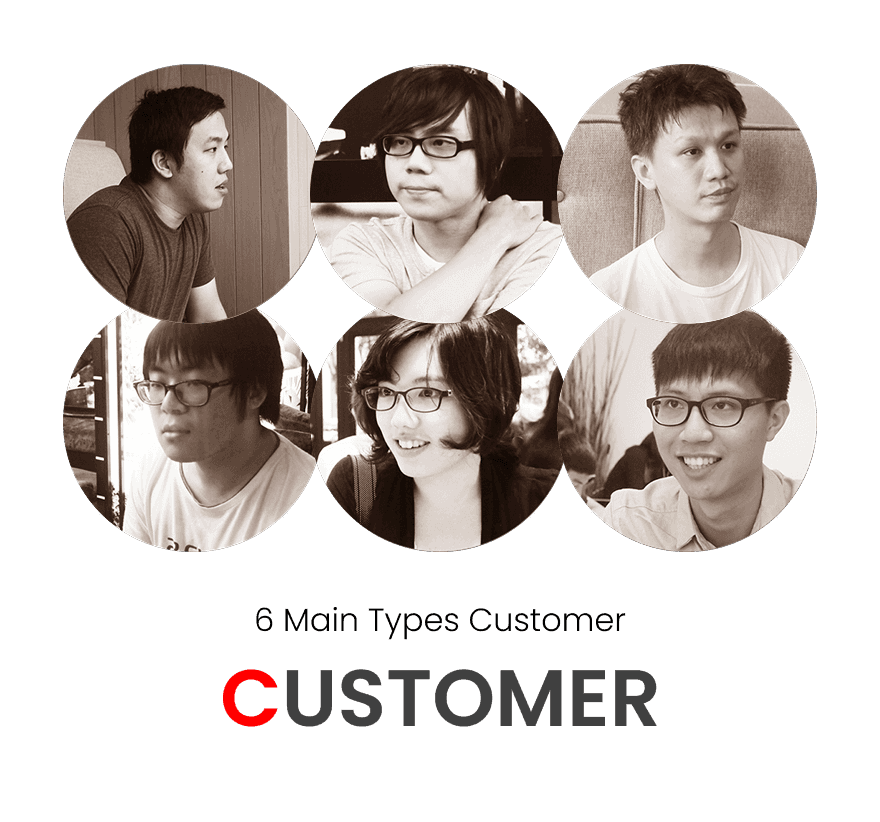
Identified 6 key personas through observational study and buyer interviews, enabling targeted design strategies and sales flows that reinforced brand positioning.
Designed a full O2O service blueprint, from onboarding to post-visit sales, with interactive touch-points that boosted engagement and conversion.
Led the design of an immersive 3D VR space with intuitive navigation and product interactions.
Services
Research
3D UX/UI Design
Platforms
VR Devices
Tools
AI+PS
Rhino 3D
My Role
Researcher
UX/UI Designer
MSI, a global gaming brand, wanted to balance online and offline experiences in an era of dominant e-commerce. I led an innovation project to explore how gamers make purchasing decisions, aiming to expand customer touchpoints and enhance engagement. As the lead for end-to-end research and experience design, I defined key customer profiles, conducted interviews, and facilitated co-creation workshops. Based on these insights, I mapped the service journey and designed an O2O strategy, including a 3D VR showroom to create a more seamless, branded purchase experience.
Duration: Spent 2 months planning the research and design strategy, including in-depth stakeholder analysis and end-to-end service journey mapping.
TA: Gamers and potential buyers navigating both online and offline purchasing experiences.
Scope: Identified key buyer profiles from 2,000+ data points, interviewed 10 users and 12 stakeholders, and ran co-creation workshops. Delivered a complete O2O service experience in 40 days, including a VR showroom, online UX, and offline service flows.
UIUX Designer
Jin
UIUX Designer
Irene
UIUX Designer
Sonia
Project’s Background
Mobile and internet tech have changed how we shop, making info quick to find and decisions easier to make. Although online sales grew 20.1% in 2014 (eMarketer), physical stores still attract customers with hands-on, personal experiences. Smart brands now blend online and offline through O2O, using digital touchpoints to bring people into stores and build lasting loyalty.
Online Channel
Online platforms deliver fast, scalable reach with rich data for personalization but lack the sensory immersion and human connection that build trust and emotional engagement.
Offline Channel
Physical retail offers personal, hands-on experiences and instant access but is limited by location, hours, and slower data feedback.
O2O Model
O2O blends online reach with offline immediacy to create seamless experiences that turn digital interest into lasting customer loyalty.
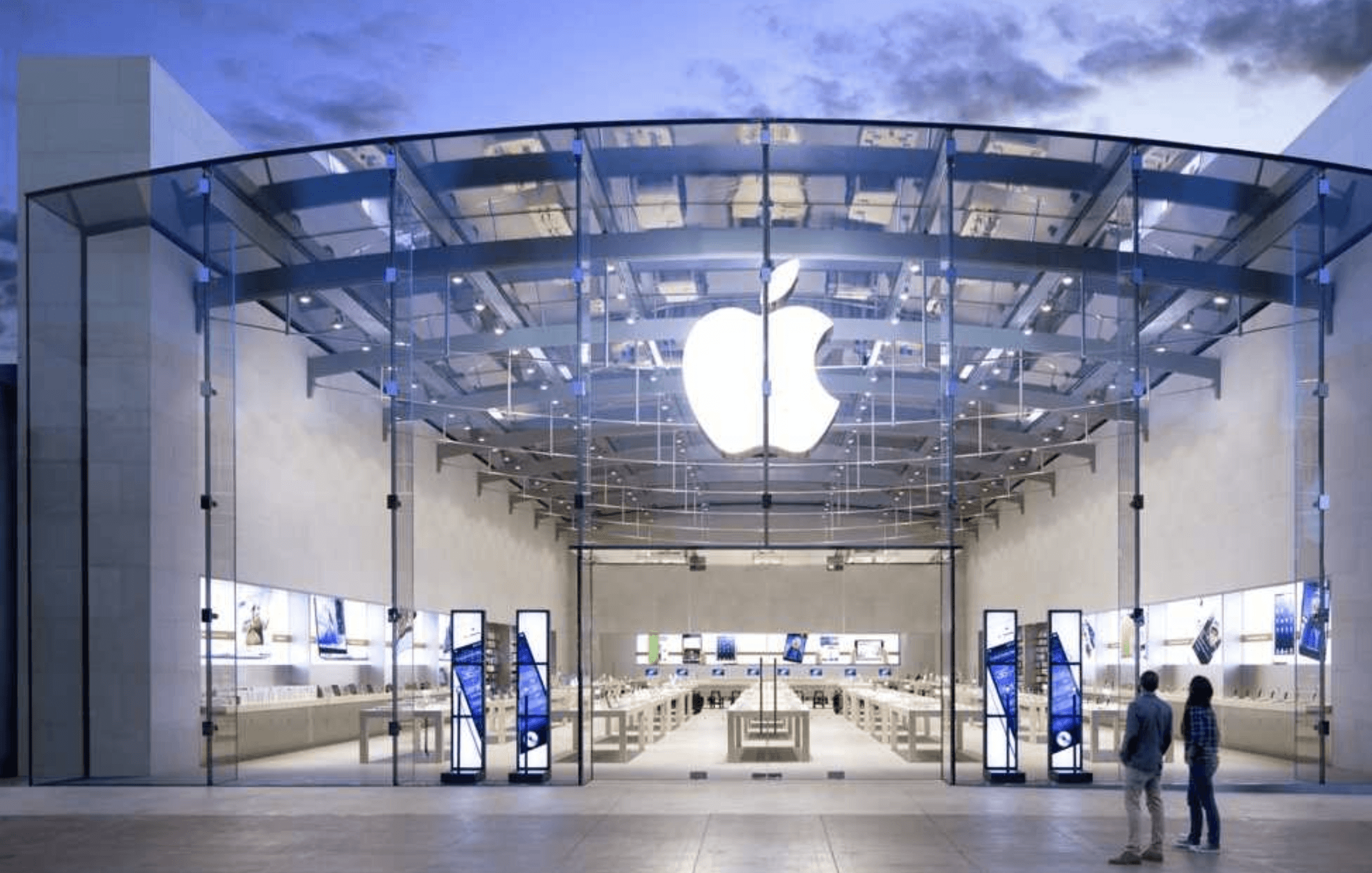
Apple Flagship Store
Immersive Brand Space
Combines product demos, education, and community into a sensory-rich store that deepens emotional connection.
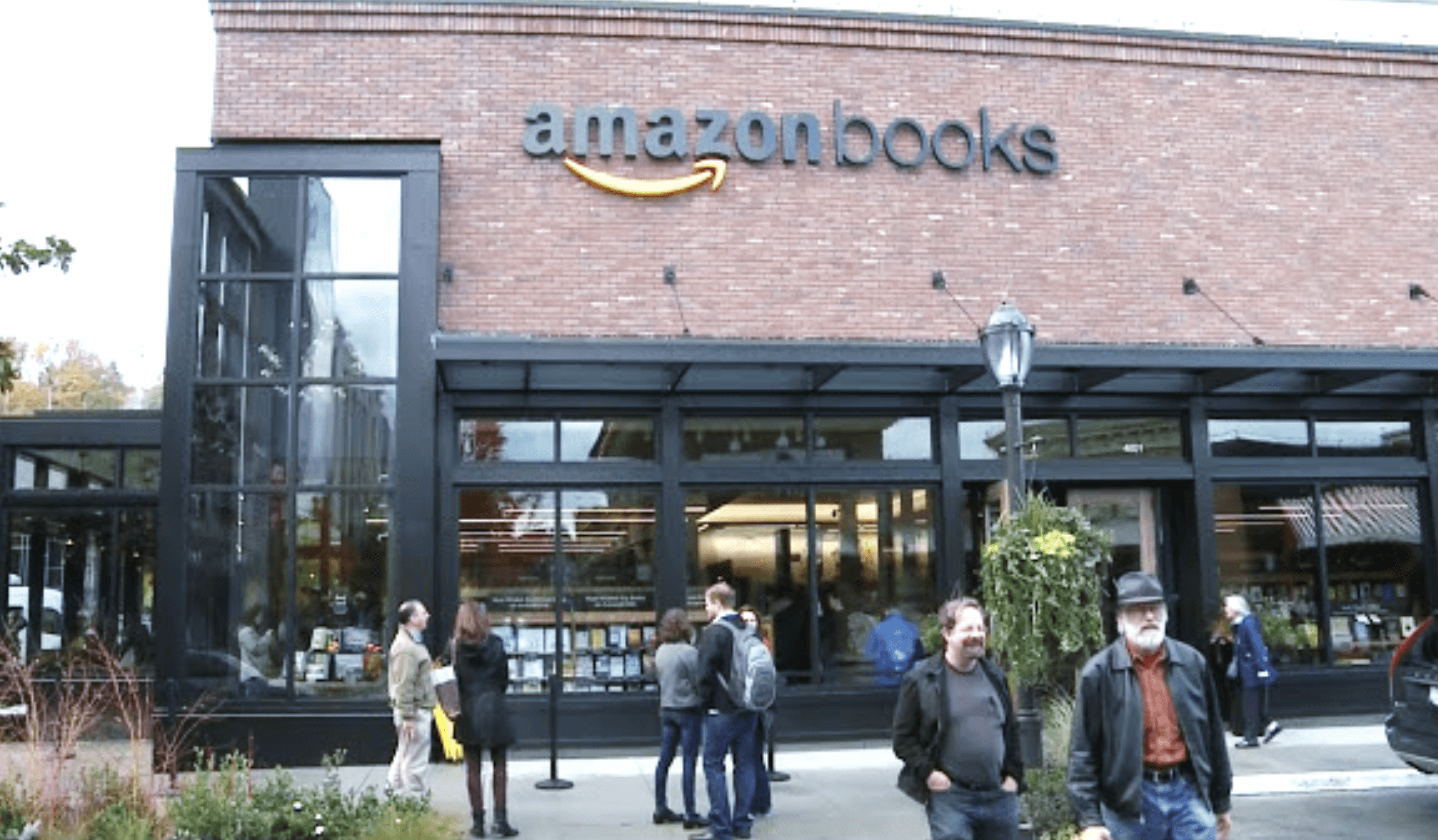
Amazon Physical Store
Frictionless Smart Retail
Utilizes sensors and AI to deliver seamless, personalized offline shopping experiences powered by online data.
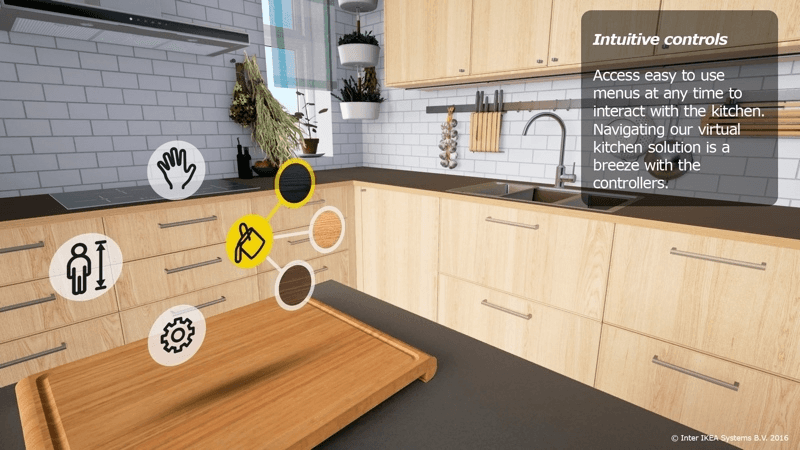
IKEA VR Store
Virtual Home Experience
Extends in-store journeys into VR, allowing users to explore furniture in 360° with real-time tools and stock information.
Project's Purpose
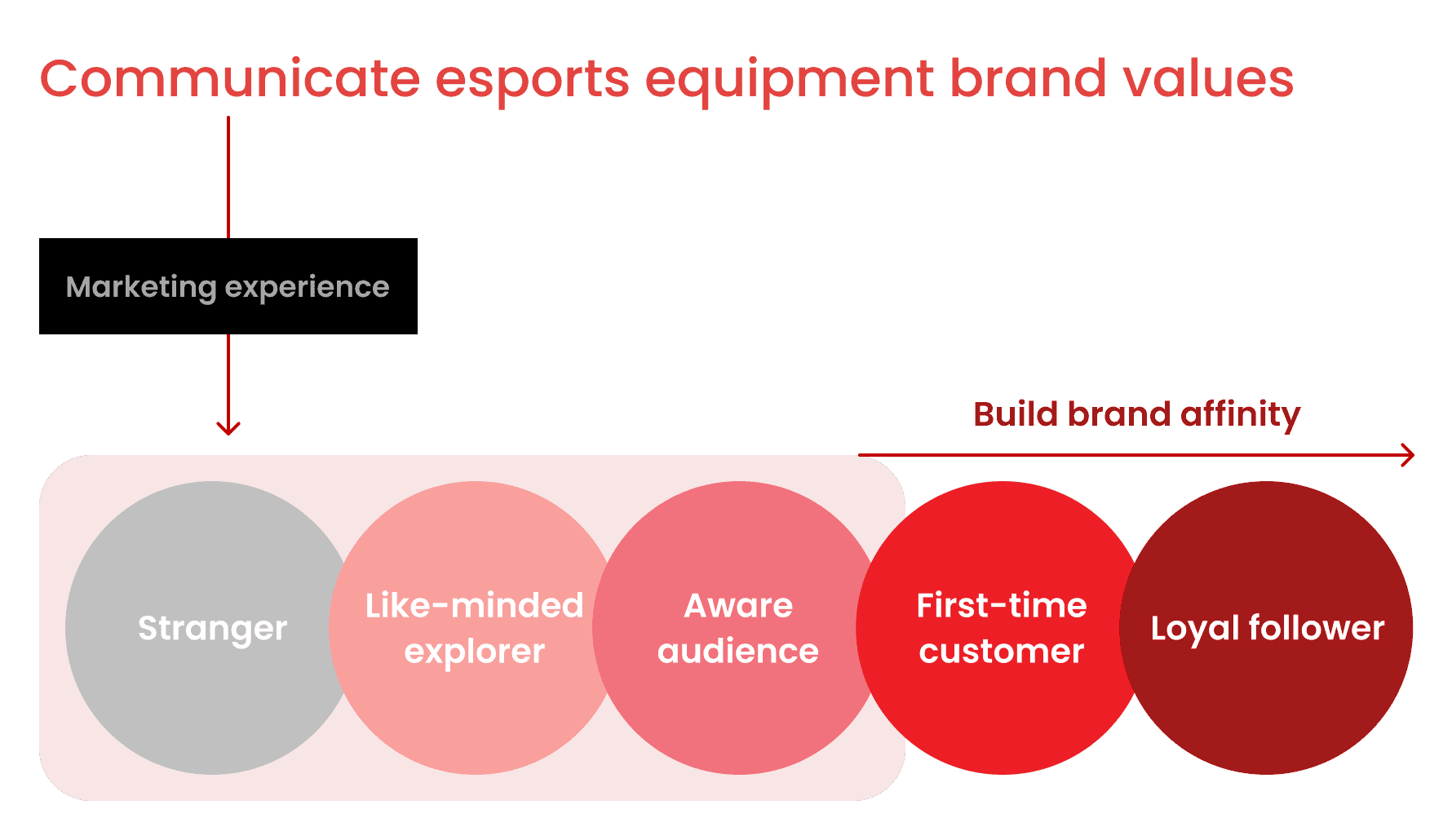
In MSI’s design research, we reimagined the brand journey as an experience-led transformation, from strangers to loyal brand advocates. By mapping user behaviors and identifying high-impact touch-points, we uncovered ways to create a seamless O2O (online to offline) ecosystem that visually and experientially reflects the brand’s esports DNA. Through immersive environments, interactive moments, and strategically designed marketing experiences, we crafted a unified brand narrative that not only engages like-minded explorers but also builds emotional resonance and long-term loyalty across every stage of the journey.
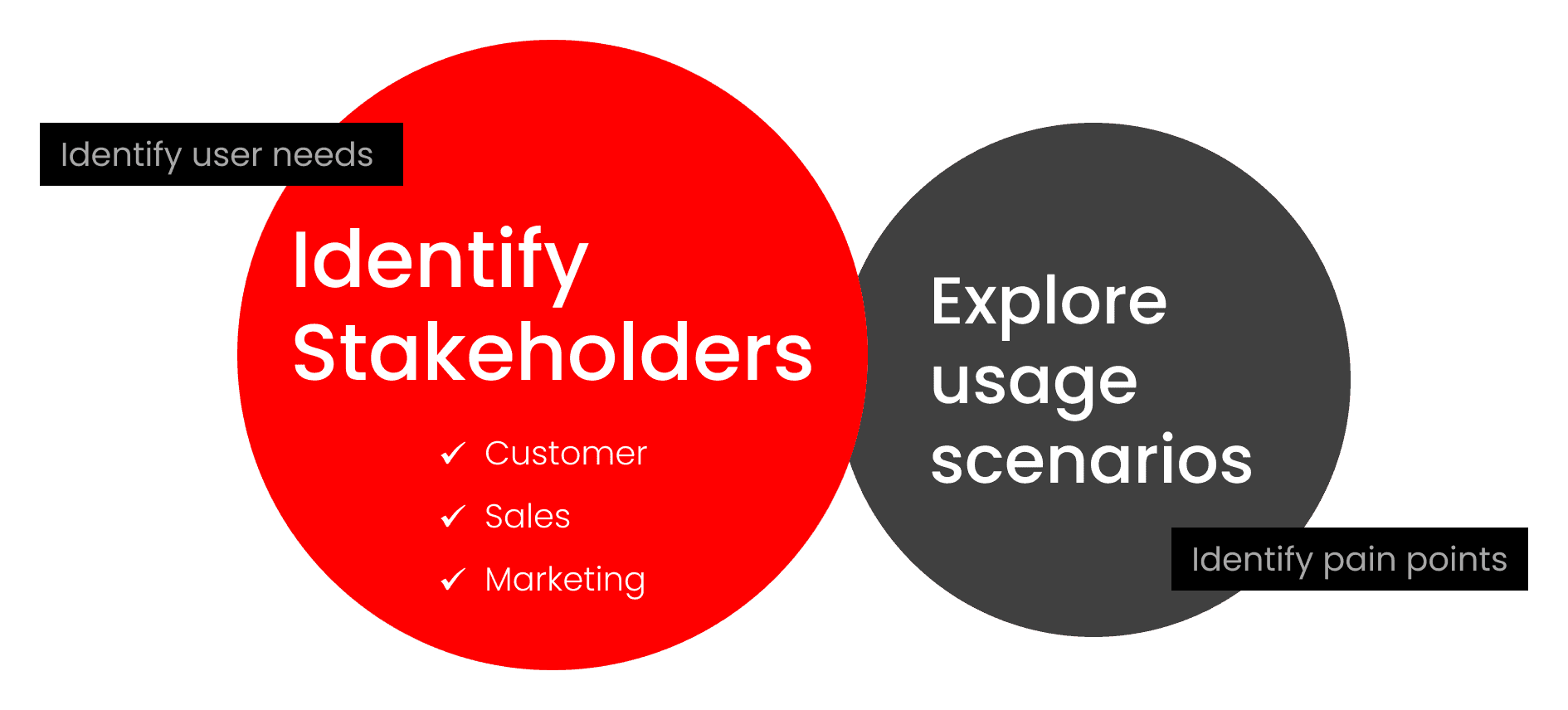
Discover Stakeholders
To design experiences that truly resonate, we began by understanding user profiles through in-depth interviews. By examining users’ shopping behaviors, motivations, and frustrations, we identified hidden pain points and unmet expectations that extend beyond surface-level needs. This approach helped us generate more relevant design insights. It ensured that every touchpoint aligned with what users value, paving the way for a more meaningful and user-centered brand experience.
To gain a holistic view of the customer journey, we conducted in-depth interviews with both buyers and sales representatives. This approach allowed us to uncover the underlying motivations, expectations, and decision-making contexts of purchasers. At the same time, we explored how sales staff handle different customer types, as well as the pain points and support they need during the sales process. These insights helped us identify experience gaps and design opportunities across both user and business touch-points.
The Brand-to-Customer Gap.
Customers are often misled by inaccurate information on the internet.
We can't offer a diverse range of machines for customers to try.
I can't keep track of all the different machine specs.
The specific machines I'm interested in are not available to demo.
I couldn't follow what the salesperson was saying about the technical specs.
I only need the salesperson to show up when I have a question.
Observational Study
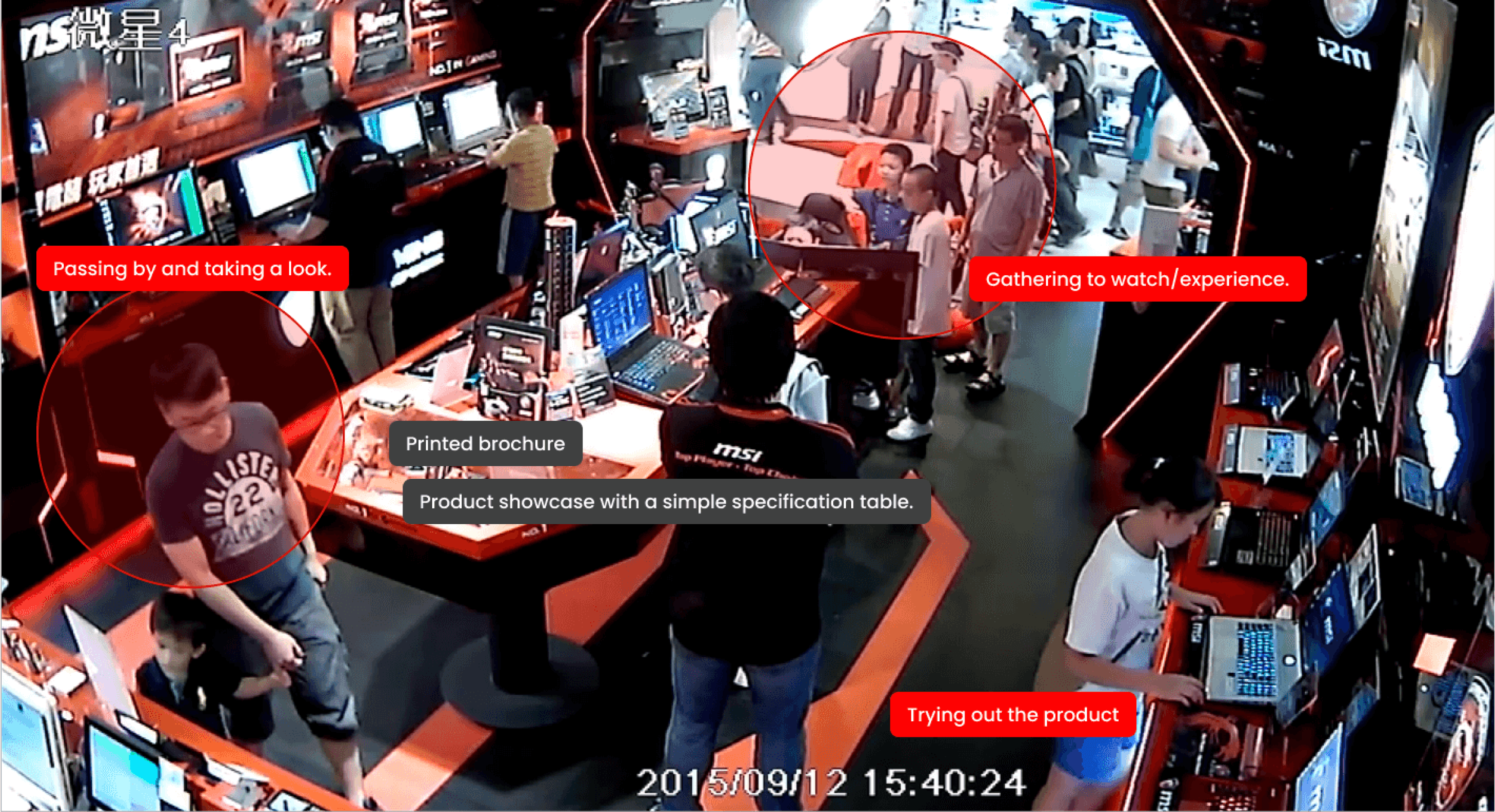
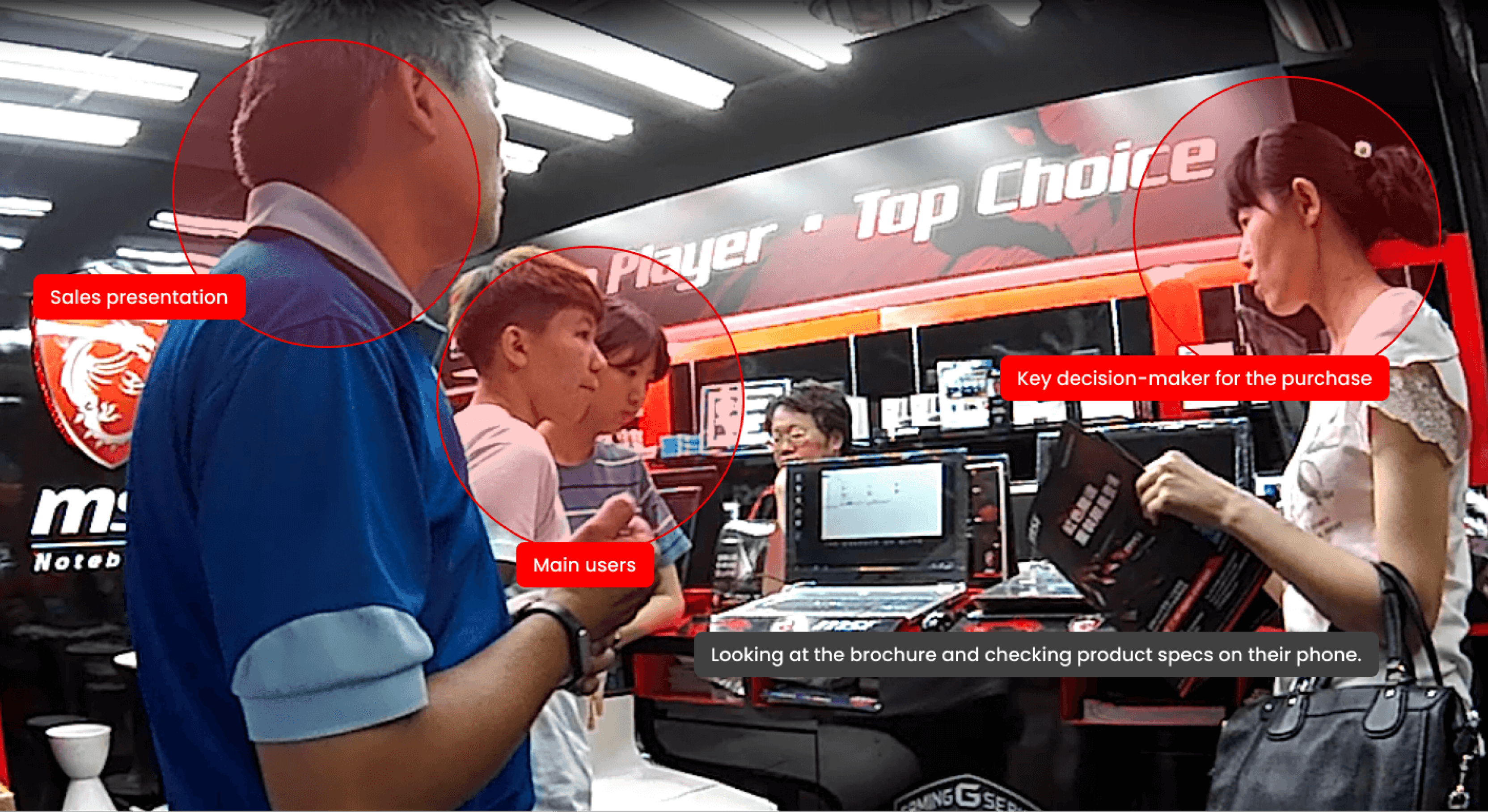
To better understand the in-store journey, we conducted field observations at both third-party retailers and official brand flagship stores. We studied the spatial layouts, customer behaviors, and sales approaches unique to each store type. By closely observing how shoppers interacted with sales staff and how product information was presented. These insights helped us map out experience gaps and informed our strategies to improve both the customer journey and sales effectiveness.
Retail partners focused more on personal connections and offered greater flexibility with discounts.
Brand flagship stores emphasized immersive gaming setups and product showcases aligned with the brand identity.
Define User Needs
Based on stakeholder interviews and field research, I synthesized six buyer personas across three behavioral types, then mapped them to their shopping environments and decision-making patterns. This allowed us to uncover key touch-points for enhancing the customer journey across online and offline channels, ensuring our design decisions were rooted in real user behaviors and added strategic value to both sales and brand experience.
They feel a sense of accomplishment when they get the best value for their money.
They need to see and touch the product before making a decision.
They seek a "home-away-from-home" experience and instant product gratification
Define the Gap
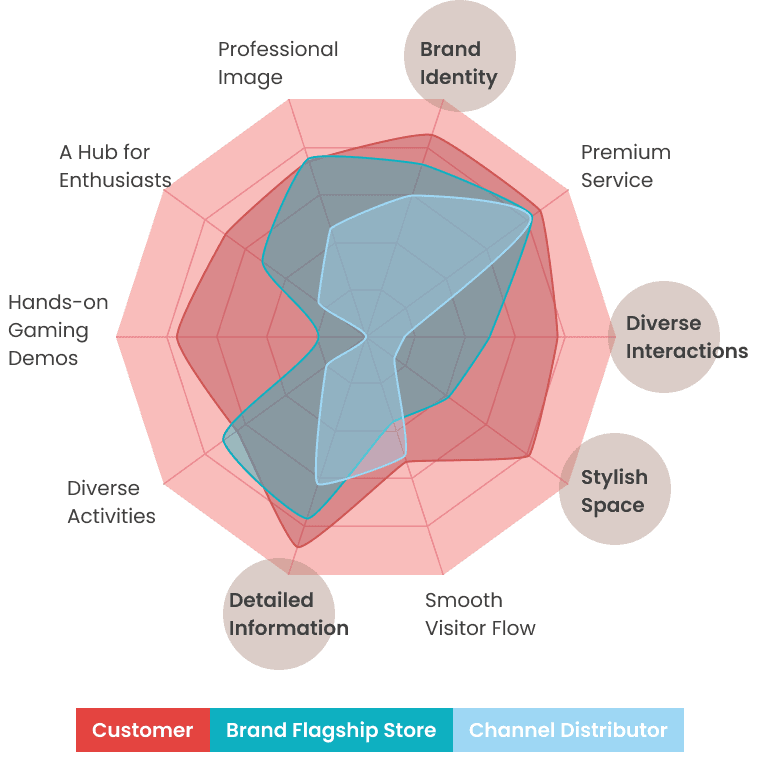
To uncover opportunities for improving the shopping journey, we developed a 10-point experiential evaluation framework. Real customers rated the importance of each factor in their purchasing experience, while senior staff from MSI’s flagship store, marketing, and channel teams rated how well current environments deliver on those same factors. This gap analysis revealed key misalignments and highlighted areas for improvement. By mapping these insights against actual on-site limitations, we were able to identify feasible O2O service enhancements that add value without requiring major infrastructure changes. This ensured our design recommendations were not only user-centered but also practical and executable.
Co-Creation Workshop
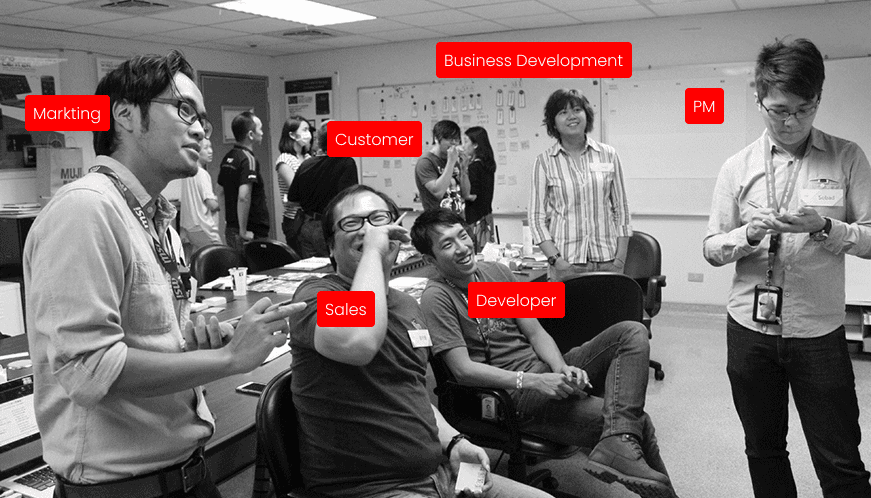
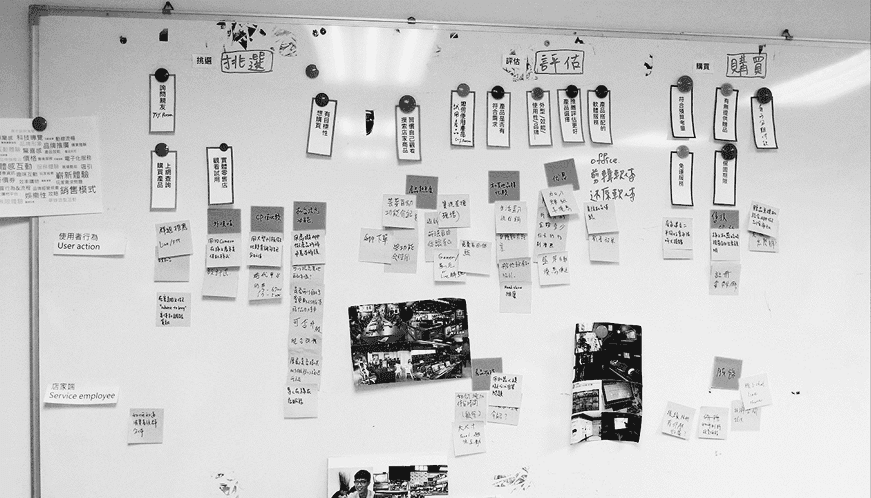
To ensure our service concepts addressed real customer needs and were feasible across business functions, we hosted a co-creation workshop with key stakeholders, including product buyers, sales, marketing, business development, and PMs. Together, we mapped the end-to-end customer journey, from first brand awareness to purchase decision-making, identifying pain points and opportunities to deliver added value. This collaborative approach not only built alignment across teams but also led to more grounded, actionable ideas that enhanced the O2O shopping experience in both online and offline touch-points.
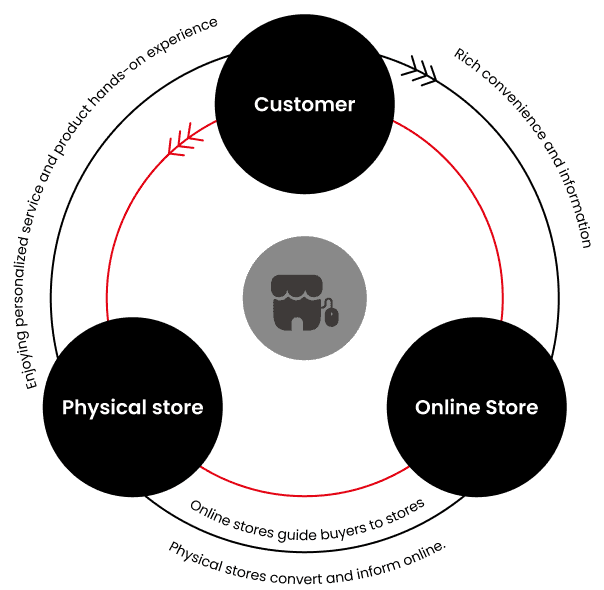
O2O Economic Cycle
To enhance both product visibility and customer engagement, I designed an O2O (online-to-offline) commerce cycle for MSI’s gaming product line. This strategy leveraged the strengths of both digital and physical touchpoints, allowing users to explore products in a VR showroom online, then continue their purchase journey in offline stores. The circular model created a continuous feedback loop, enabling data-driven improvements while increasing user engagement, brand stickiness, and sales conversion.
Physical Store
Enhancing Experience & Immersion
Brand Identity: Immersive brand wall, interactive displays, themed gaming zones, ambient sound, scent design, and IG-worthy photo spots for stronger brand presence.
Multi-Sensory Interactions: Host gaming tournaments, offer product demo zones, and provide AR-based interactive experiences to engage different user types.
Product Showcase & Spec Exploration: Show modular breakdown displays, offer guided tours, and integrate AR overlays to explain product features in detail.
Online Store
Emphasizing Convenience & Information Completeness
Brand Identity: Consistent visual design and brand language across the website to reinforce recognition and trust.
Multi-Sensory Interactions: Offer custom build simulators, real-time chat support, and a virtual advisor system for guided shopping.
Product Showcase & Spec Exploration: Provide high-res product images, 360° views, animated spec breakdowns, integrated unboxing videos, 3D model interactions, and spec comparison tools.
User Journey Map
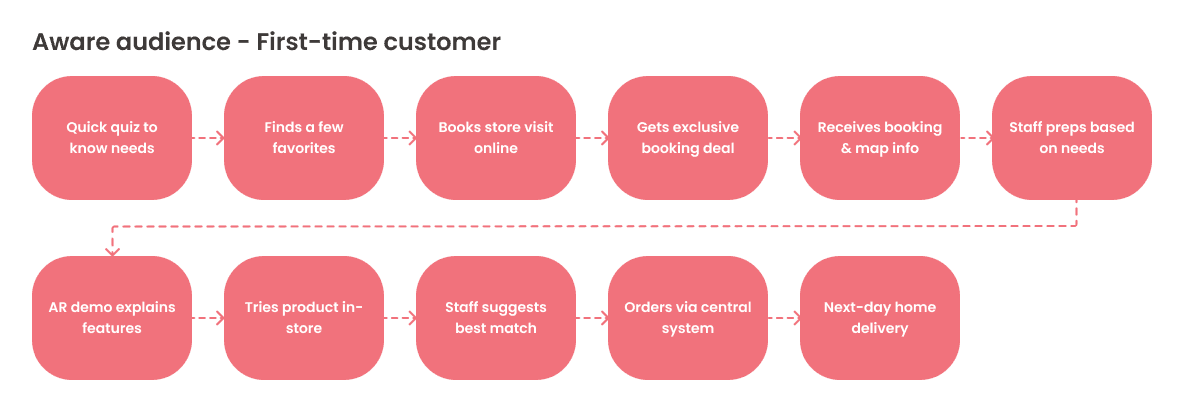
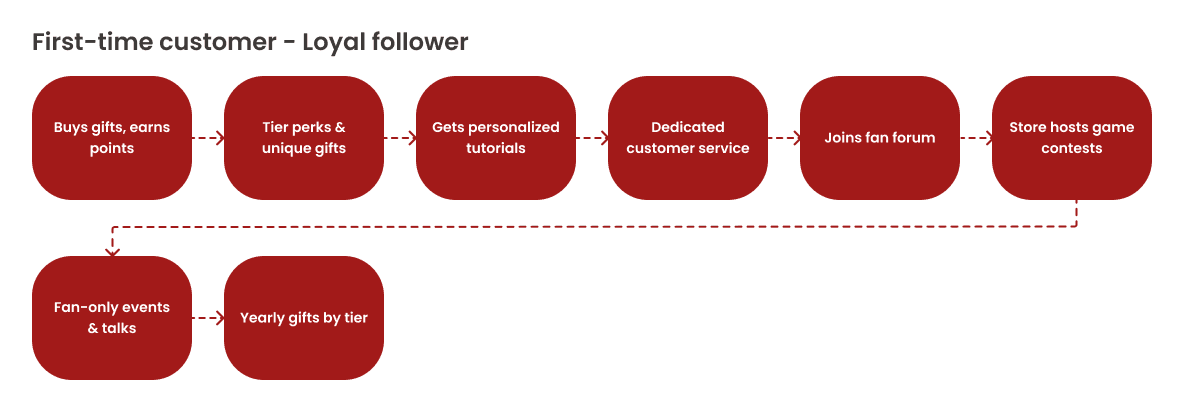
Through user research and collaborative workshops, I designed a comprehensive O2O (Online-to-Offline) user journey that illustrates the full brand experience, from unaware users to first-time customers to loyal brand advocates. This journey map visualizes every key touchpoint across digital and physical channels, helping align internal teams and guide cross-functional decisions. It served as a strategic reference for enhancing service design and optimizing the sales funnel, ultimately improving user satisfaction and conversion rates.
VR Showroom Design
To overcome the physical limitations of traditional trade shows, I designed and built MSI’s virtual reality flagship exhibition. I led the 3D environment design and defined the UI/UX interactions within the VR space, focusing on how users explore and engage with products. This VR showroom not only expanded the number of products on display without spatial constraints but also enhanced brand perception by showcasing MSI’s commitment to innovation and digital-forward experiences. The result was a highly engaging, scalable platform that elevated MSI’s presence and accessibility to a global audience.