2017
100+ early users onboarded during launch in two months, with positive retention feedback.
Secured exclusive partnerships with 2 premium mattress brands for co-promotion.
62% of users with sleep issues were guided to professional sleep clinics for treatment.
Researched sleep monitoring competitors, user research, and gaps in existing solutions.
Created a stakeholder map to clarify service flows and identify product opportunities.
Delivered a complete UX strategy, from service concept to product UI and backend design.
Services
Research
UX & UI Design
Platforms
App
Website
Tools
Sketch
AI+PS
My Role
Researcher
UX/UI Designer
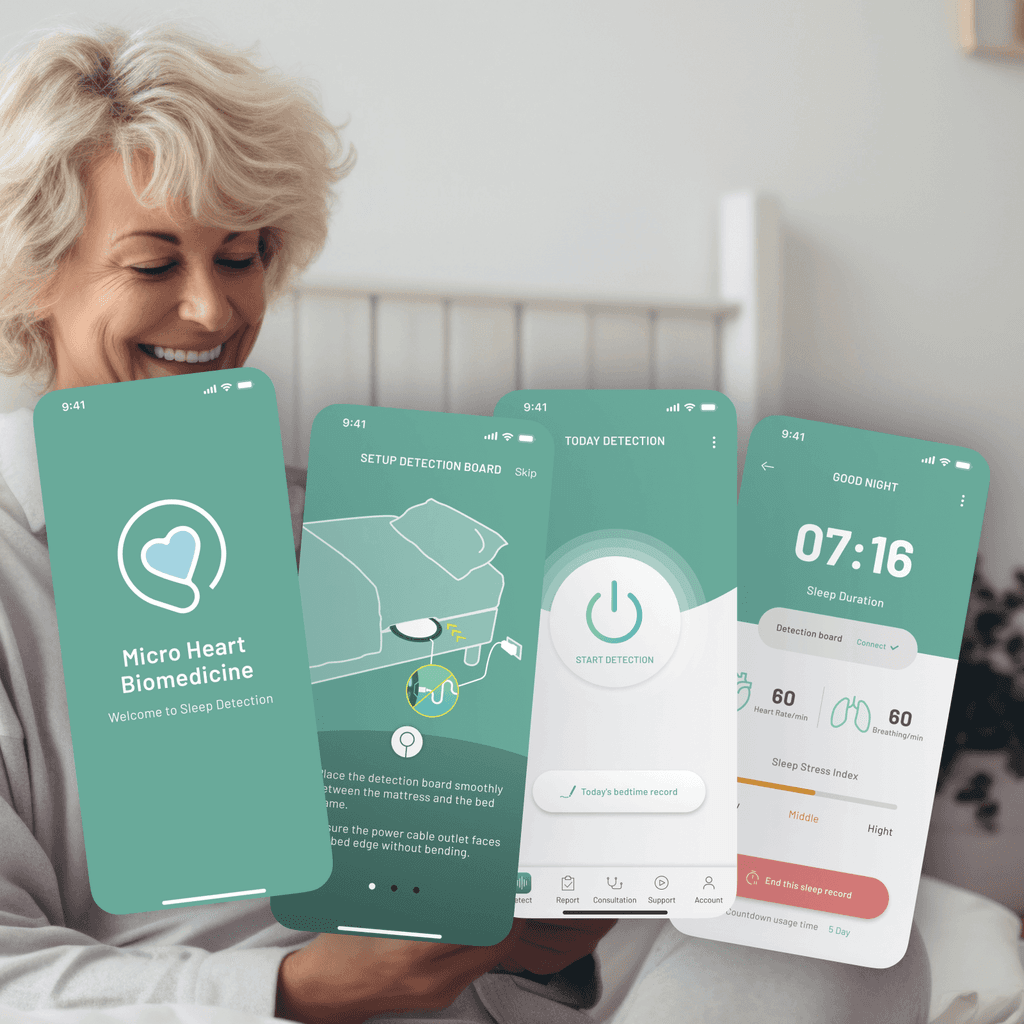
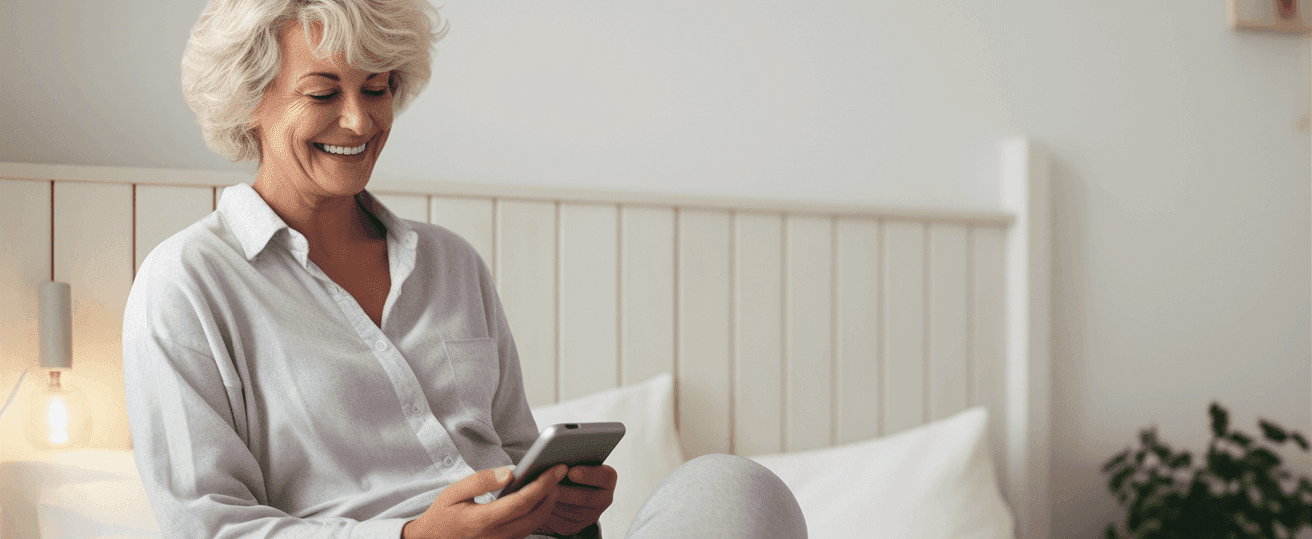
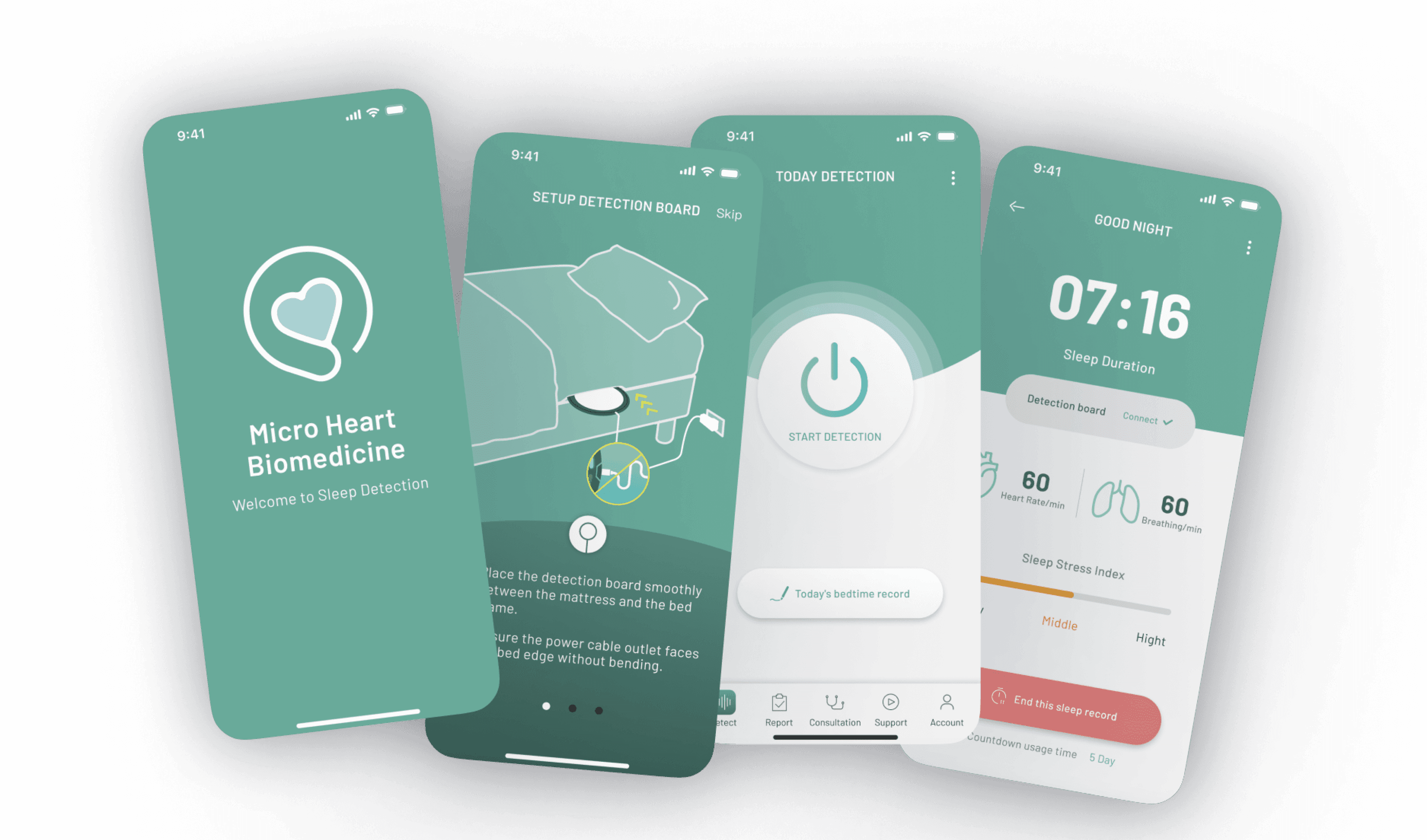
Over 600 million people struggle with chronic sleep issues. I designed the UX strategy and mobile app for Micro Heart Biomedicine to help older adults identify and address these problems. The app uses embedded sensors to visualize sleep data, highlight triggers, and generate doctor-ready reports. I mapped the entire care ecosystem and delivered an integrated solution, including a service blueprint and business model. The beta launch was a success: 62% of users with sleep issues visited clinics, and return rates rose by 1.8x, proving the impact of seamless digital healthcare integration.
Duration: Mapped stakeholder needs in 2 weeks; completed app, backend, and printable sleep report design within 60 days.
TA: User of the sleep-sensing mattress.
Scope: Led stakeholder interviews and mapped the care ecosystem. Designed the mobile app, clinic dashboard, and printable sleep report format within 60 days to support early detection and medical follow-up..
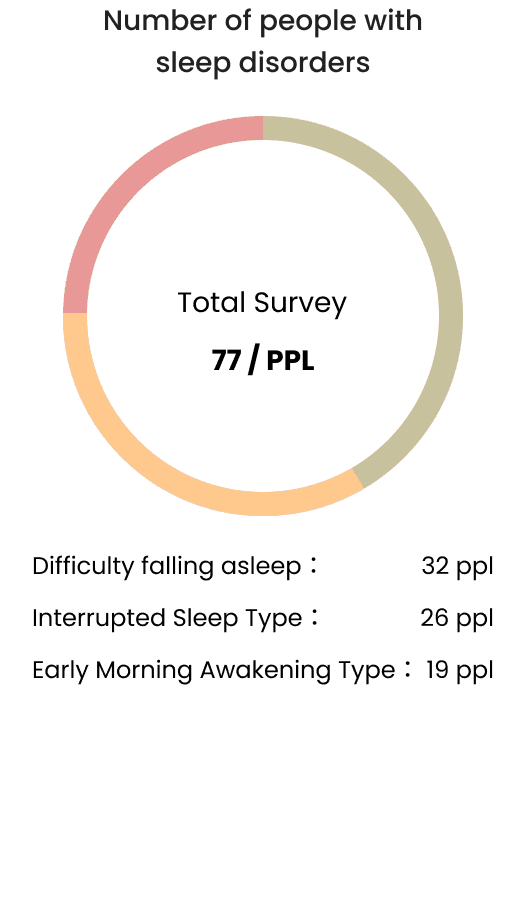
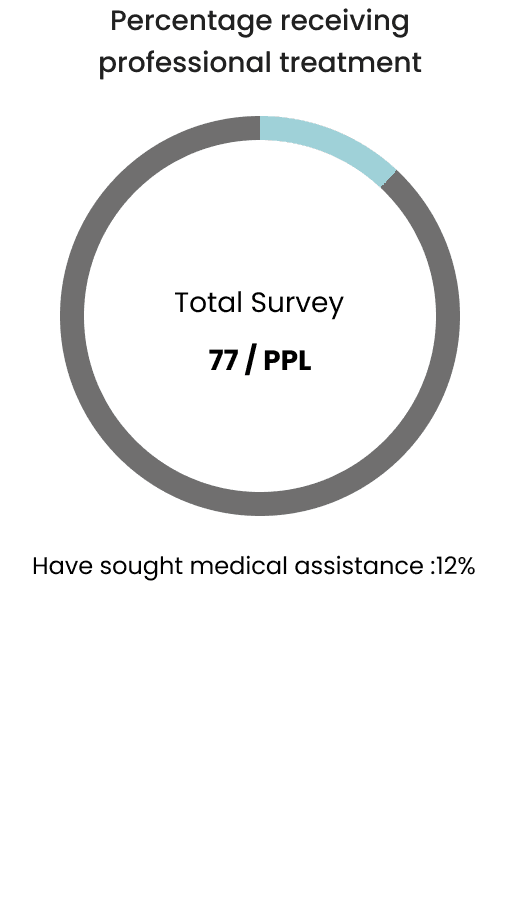
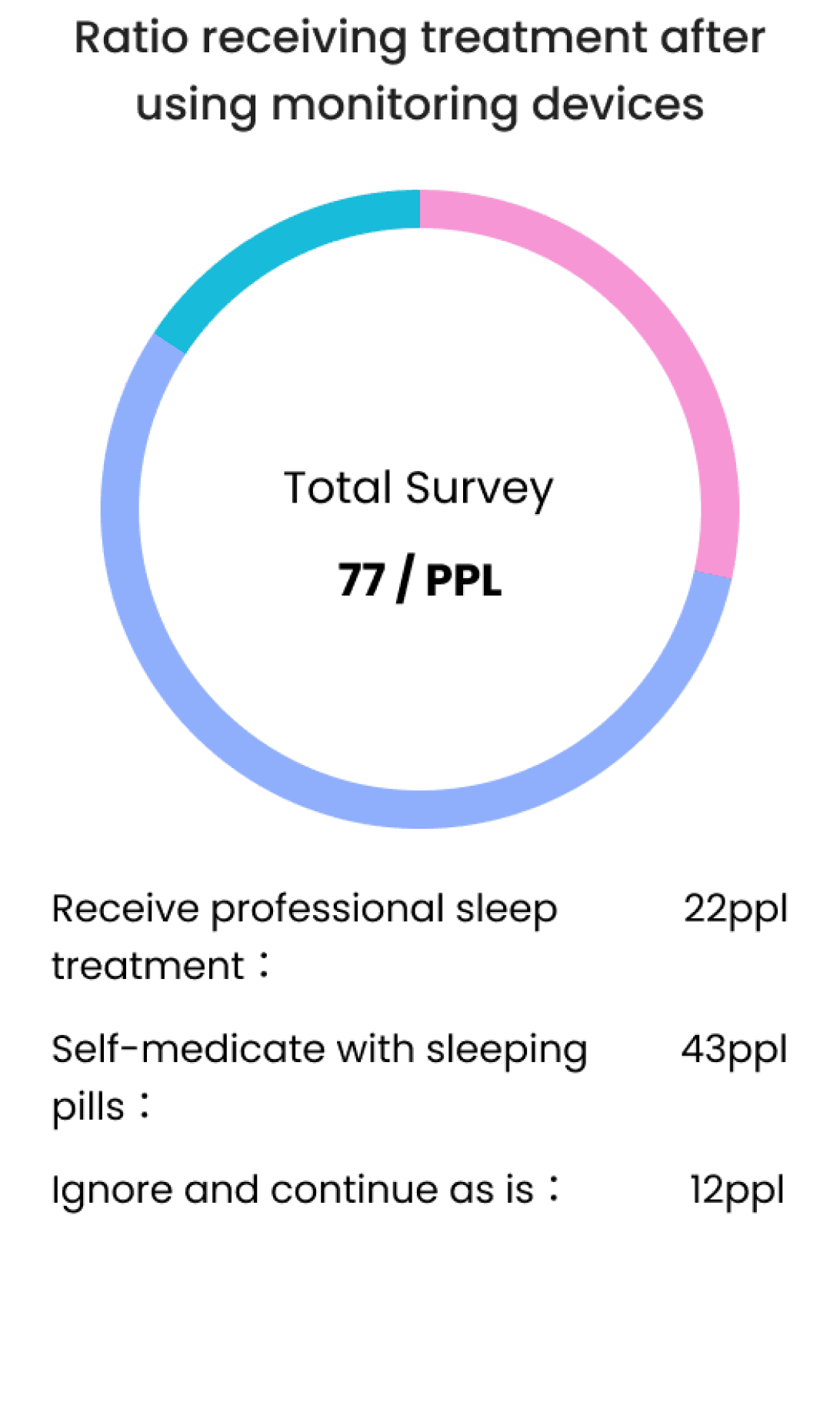
Over 600 million people worldwide suffer from chronic sleep disorders, yet few seek help. In Taiwan, only 10–15% of the 2.9 million affected consult doctors. To address this gap, I conducted a questionnaire to better understand users’ struggles and needs, collecting 77 valid responses. These insights helped shape a user-centered solution that improved accessibility and encouraged medical consultation.
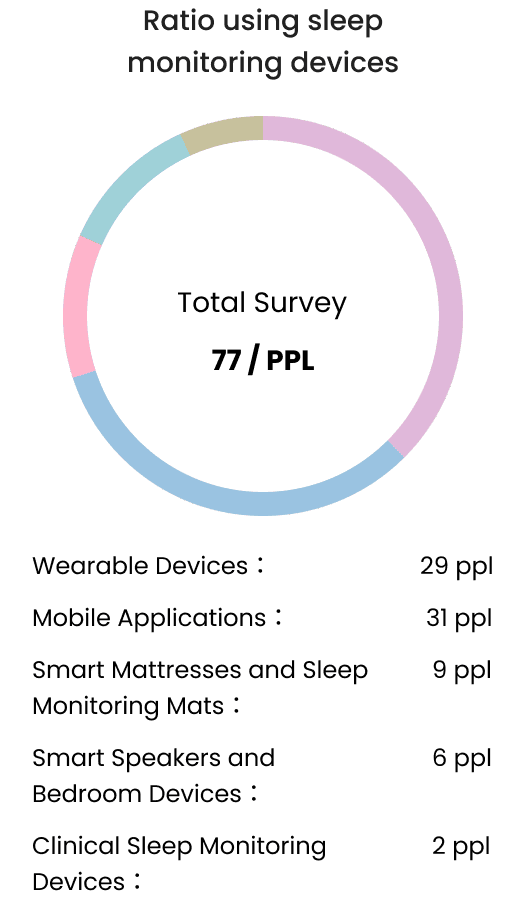
Which sleep-monitoring products or services have you used?
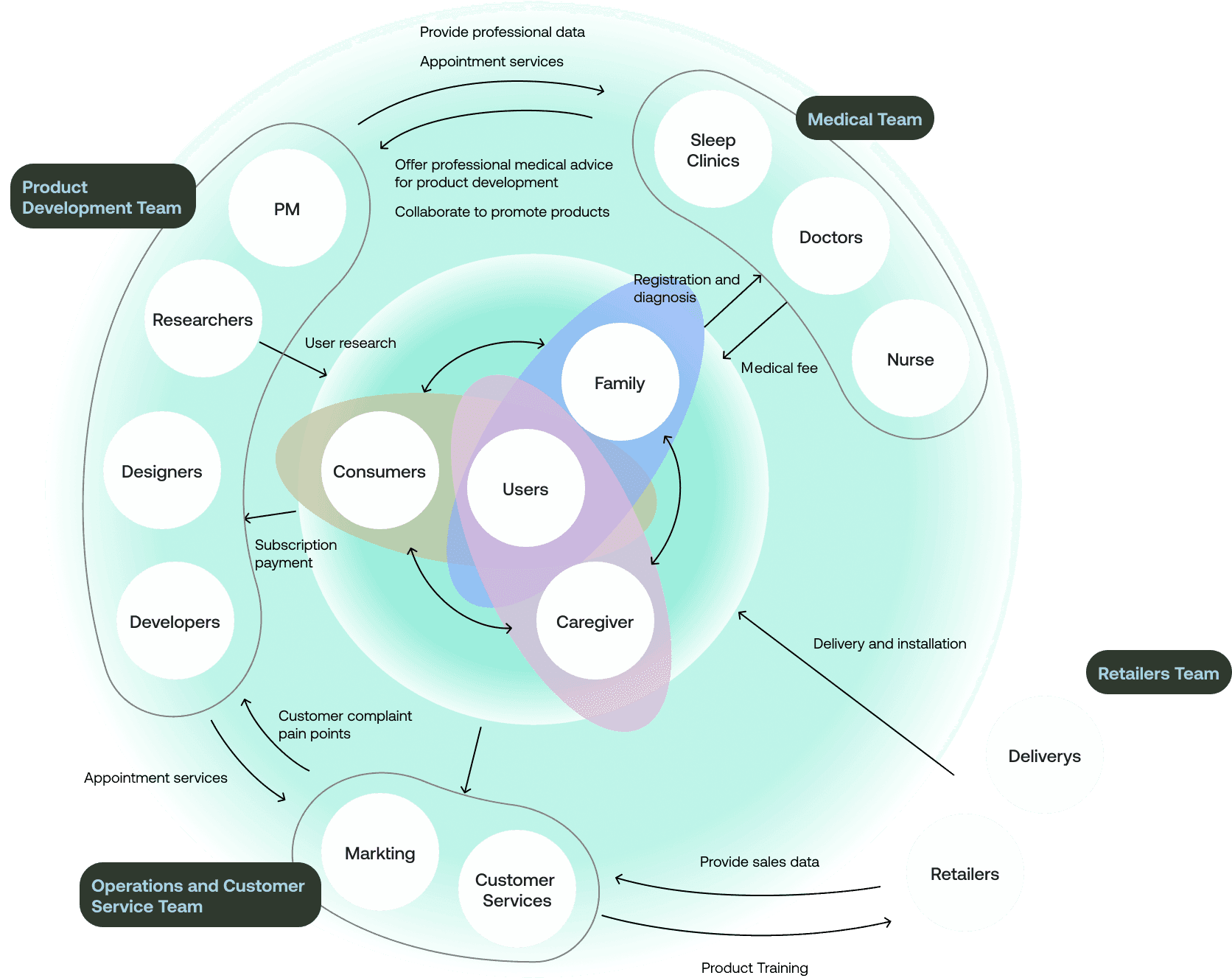
I worked with the product owner to create a stakeholder map, categorizing participants by engagement level: high (users, families, caregivers), medium (development, medical, marketing), and low (retail, logistics). This clarified relationships and communication flows, helping identify pain points and opportunities. Early alignment improved cross-team collaboration and guided a user-focused product design.
To design with empathy, I interviewed users with different insomnia patterns and turned insights into three personas based on sleep issues, tech literacy, and product pain points. These personas revealed emotional triggers and usability gaps and helped align the team around real user needs, guiding clearer, more effective design decisions.
Age :
36 years old
Gender :
Male
Sleep Monitor :
Apple watch
Each night, he struggled to fall asleep, often lying awake for over 30 minutes. Even when he slept, he’d wake in the night and couldn’t drift back. Mornings came too early, leaving him foggy, forgetful, and drained throughout the day.
Pain Point
I need to be on call for work, so I am very tense when I sleep.
I currently use an Apple Watch and a sleep tracking app and have noticed that my sleep quality is consistently poor.
I don't have time to find a suitable doctor due to my work schedule.

Age :
54 years old
Gender :
Female
Sleep Monitor :
Clinical Sleep Monitor
Each night, she’d lie awake for hours, unable to calm his racing thoughts. Even when sleep came, it broke quickly, he’d wake three or four times before morning.
Pain Point
Often toss and turn, unable to sleep.
Need to bring clinic equipment home for installation, feeling stressed about undergoing sleep monitoring without falling asleep.
Dislike long waits at clinics for regular check-ups.

Age :
76 years old
Gender :
Female
Sleep Monitor :
Smart Mattresses
Every night was a battle. She barely slept more than two hours, broken, restless hours filled with turning and staring at the dark ceiling. The silence made her anxious, and the ticking clock grew unbearable. She stopped cooking and feared going to bed. Sleep had abandoned her.
Pain Point
Because of insomnia, my son bought a smart detection mattress, but I don't know how to install or use it.
I buy sleeping pills on my own to aid sleep.
I have not been to a psychiatrist, I don't want to go, because it’s like I have a mental issue
Many users struggle with the practicality of current sleep monitoring solutions, from forgetting to wear or charge devices to dealing with complex mattress installations. For those seeking medical help, the lack of standardized and professional-grade data often leads to frustration and delay. Through user interviews, including seniors and people with chronic insomnia, I uncovered common pain points that shaped our product vision: a simple, reliable, and medically relevant sleep monitoring experience that fits naturally into users’ lives.
Minimize Friction in Daily Use
Create a device experience that’s easy to set up and doesn’t require daily manual effort like charging or wearing, increasing long-term engagement.
Simplify Setup for All Age Groups
Design onboarding and installation instructions with visual clarity and step-by-step simplicity, especially for senior users.
Minimize the System’s Presence
For those struggling with insomnia, being reminded of their sleep issues can increase anxiety. We designed the system to blend seamlessly into daily life, reducing its visibility and minimizing added stress for users.
Enable Personalized Medical Access
Integrate smart appointment scheduling and data-sharing features that help users easily connect with healthcare professionals.
To align the team and validate the user flow, I designed a wireframe that mapped out the app’s six core sections: installation setup, daily sleep monitoring, sleep reports, medical advice, sleep health knowledge, and personal profile. Collaborating closely with the product owner, this wireframe served as a foundation to clarify product features, streamline navigation, and ensure a shared understanding across teams—reducing miscommunication and accelerating the design-development process.
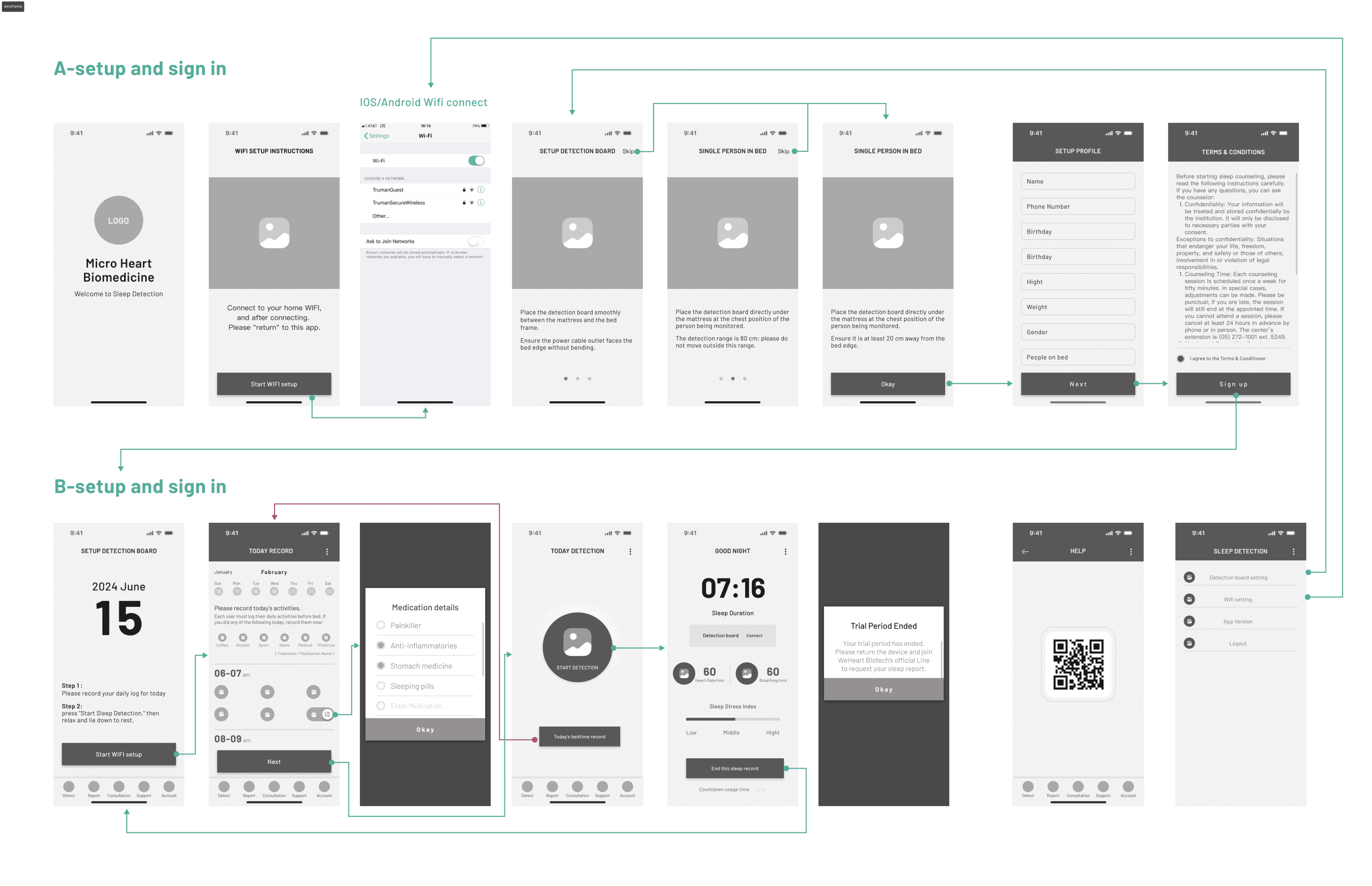
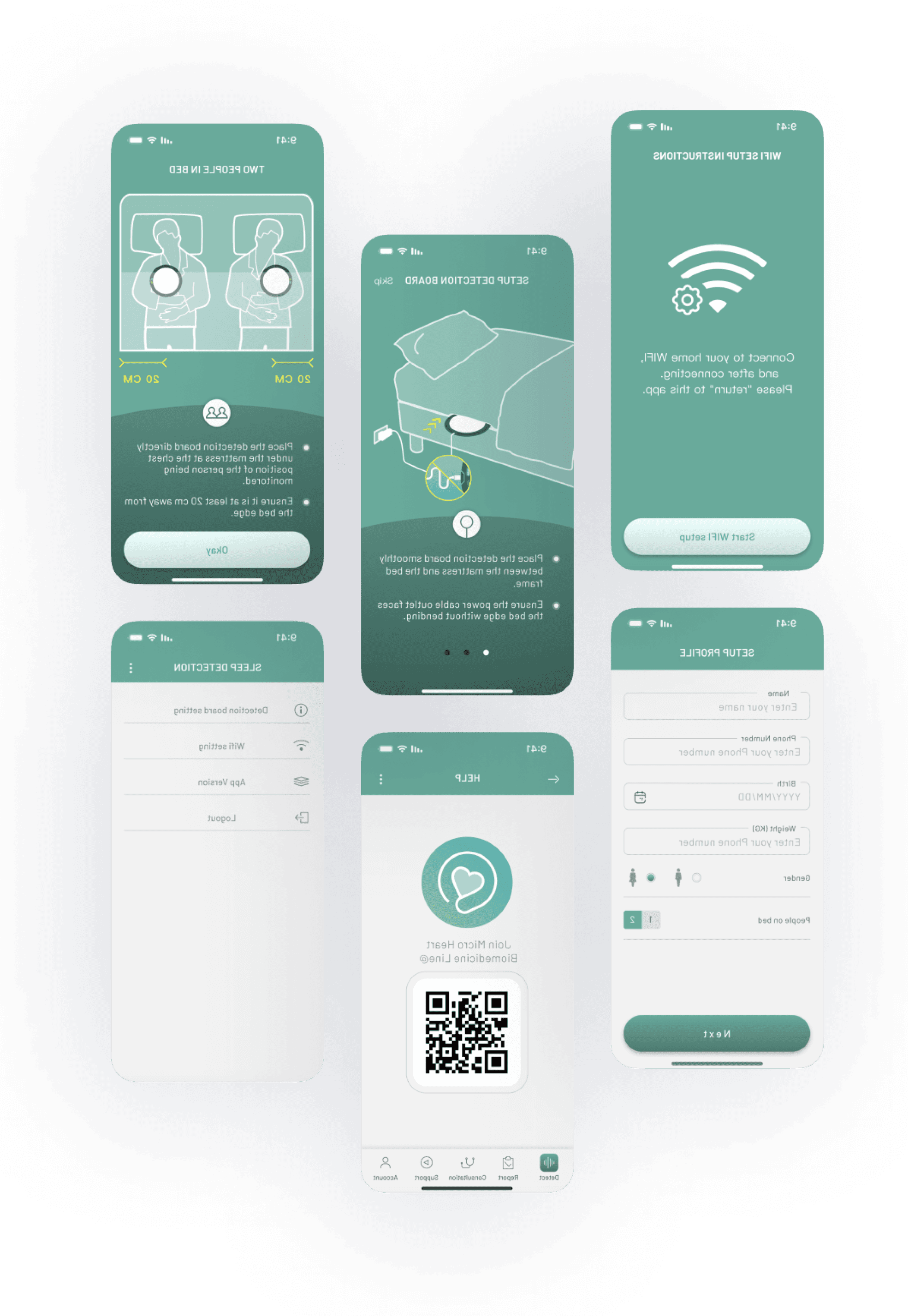
To bridge the digital literacy gap, I designed a three-step onboarding flow: position the sensor, connect to Wi-Fi, and complete pairing. This streamlined experience empowered mattress delivery staff to assist with installation using clear training materials. As a result, monthly complaints related to pairing issues dropped from 67 to just 12, compared to the beta version reduction that significantly improved first-time setup success and customer satisfaction.
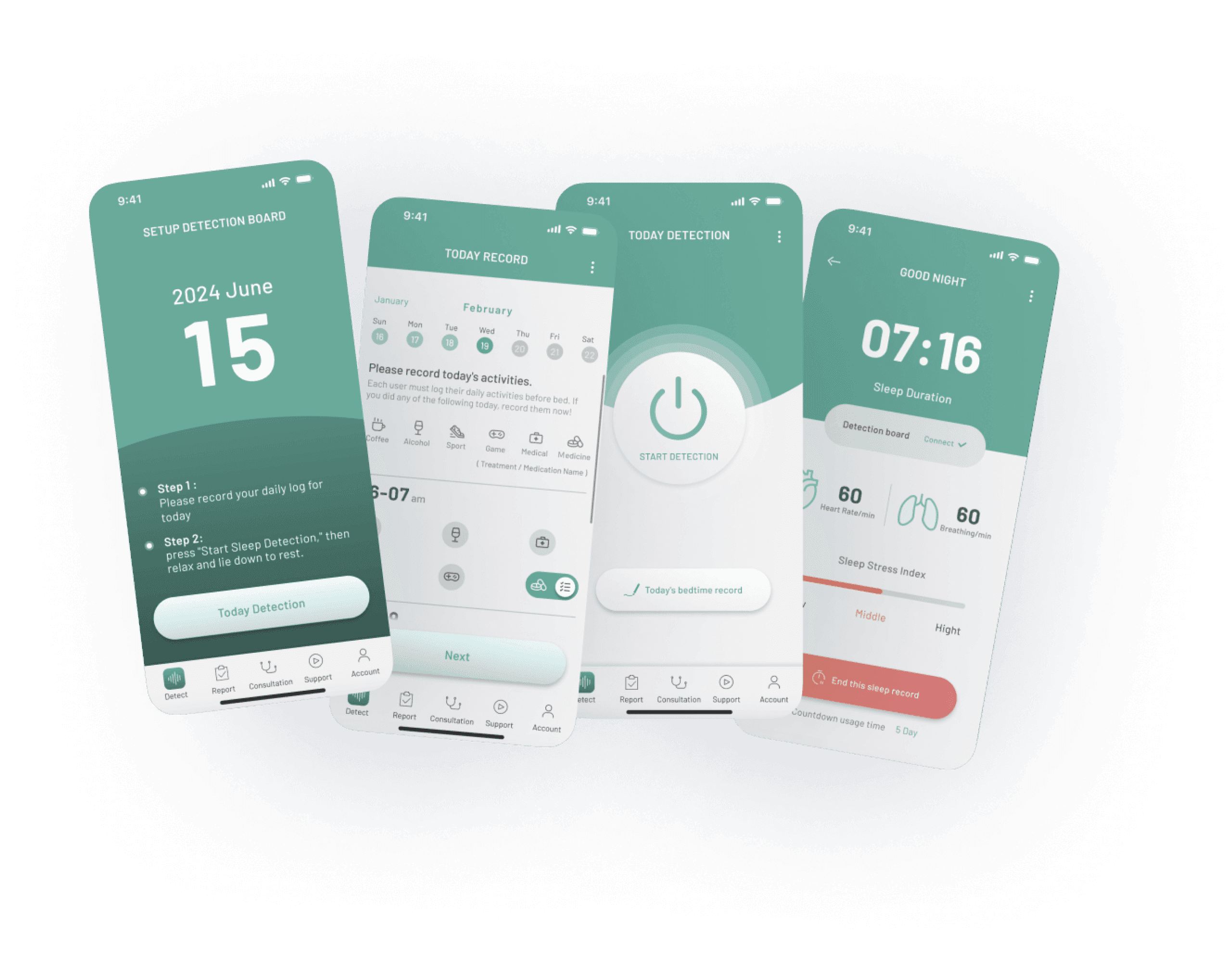
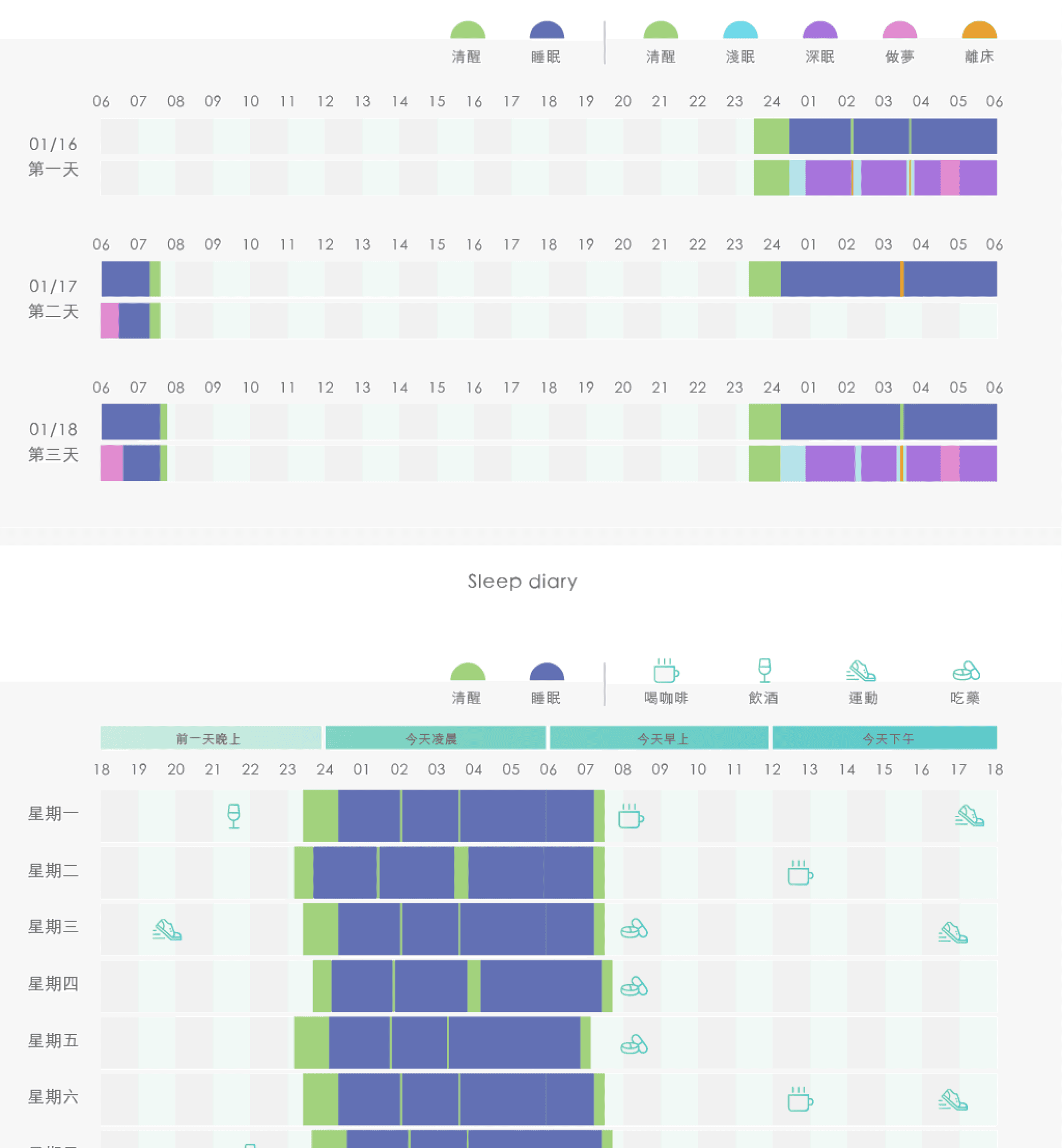
I designed a one-tap CTA for effortless sleep tracking and a visual timeline using clear lifestyle icons (e.g., coffee, pills, exercise) to simplify daily logging. Compared to the beta version, this improved flow led to a 40% drop in forgotten sleep tracking and a 55% increase in daily habit logs, boosting both engagement and retention.
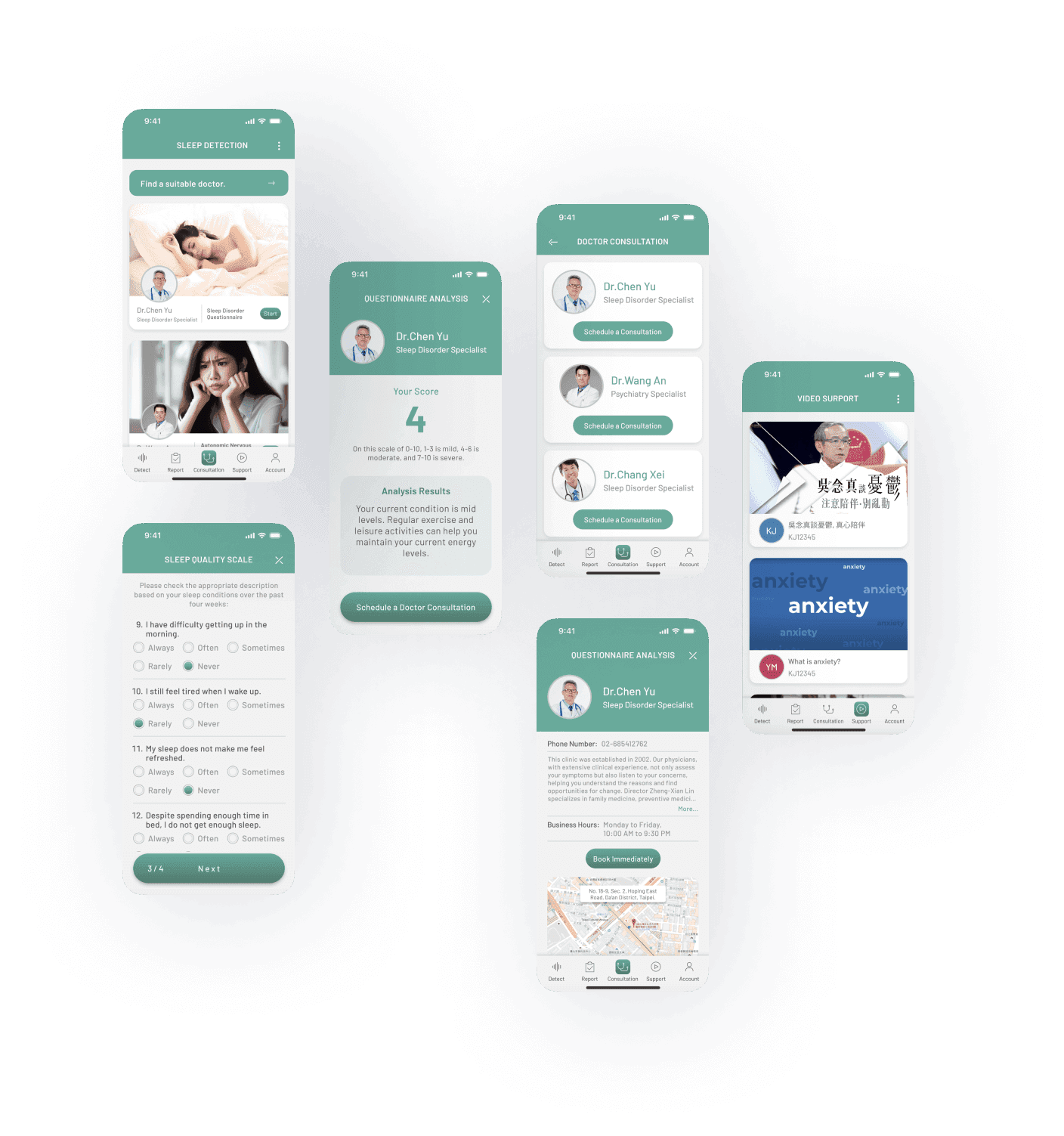
To extend value beyond nightly sleep tracking, I designed a content system that recommends daily health-related articles and videos, helping users better understand how lifestyle affects sleep. I also integrated a seamless referral flow to partnered sleep clinics. On average, this feature successfully converted 34 users per month who struggled with sleep disorders to seek professional help from our partnered medical specialists.
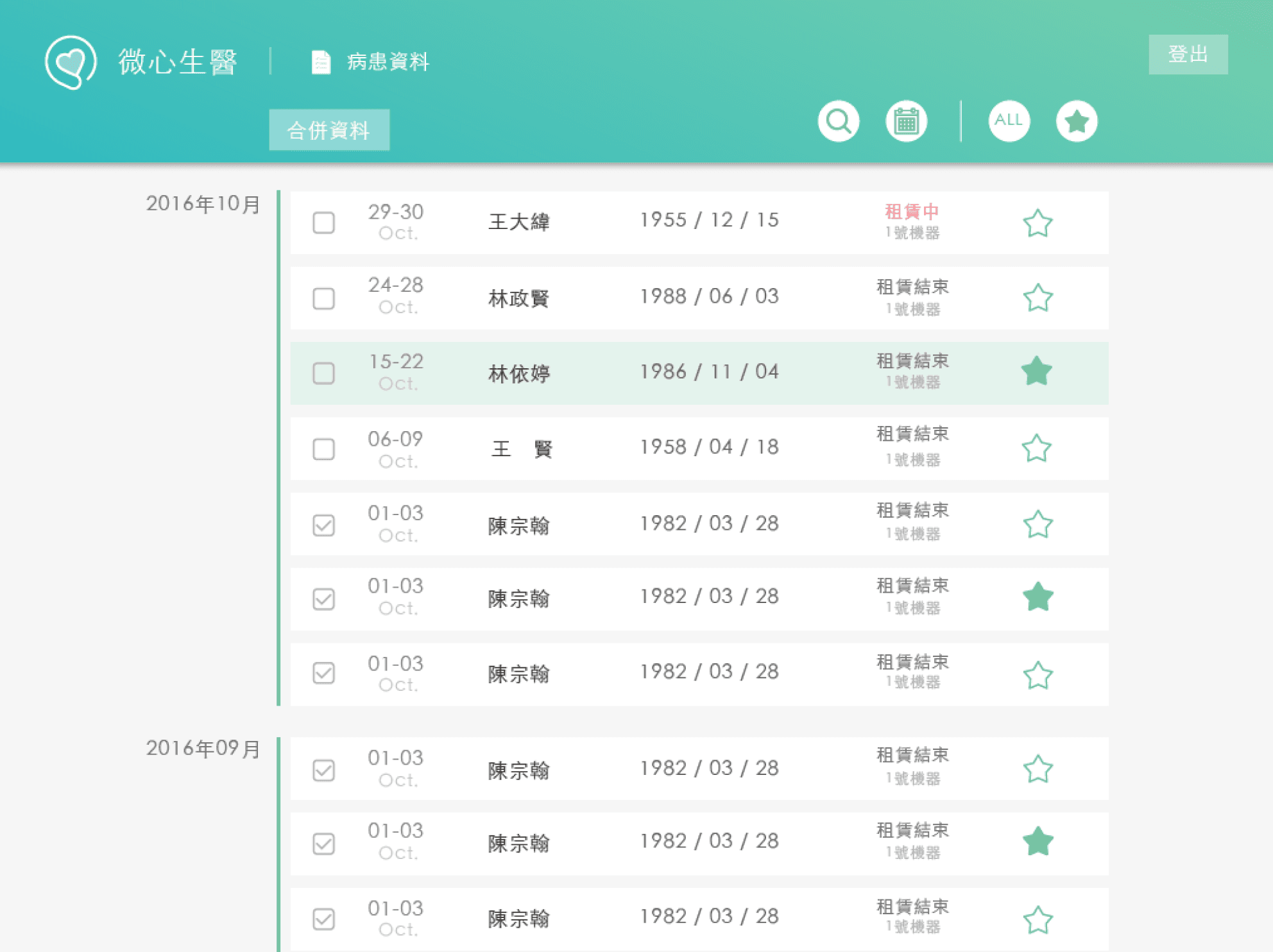
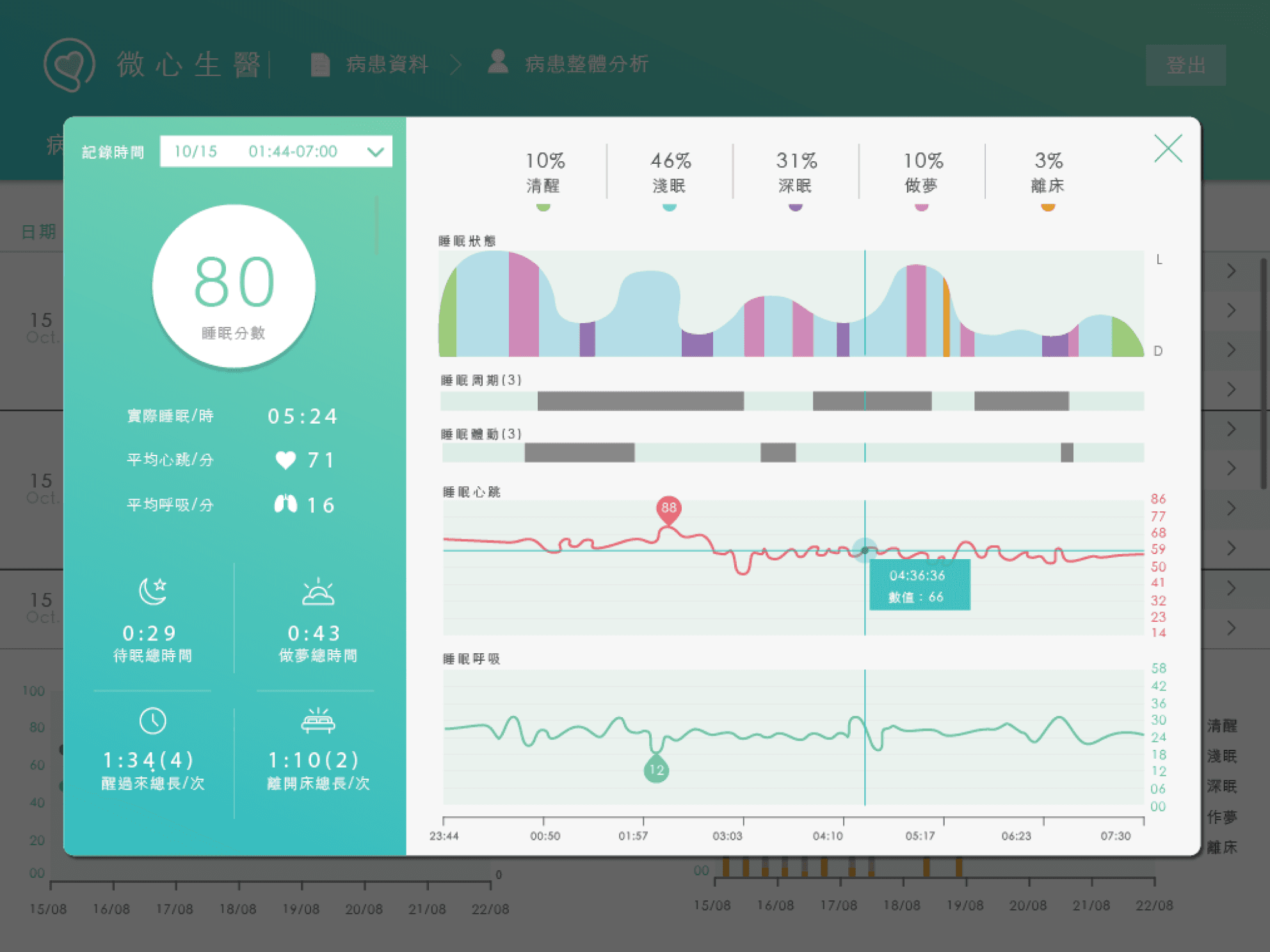
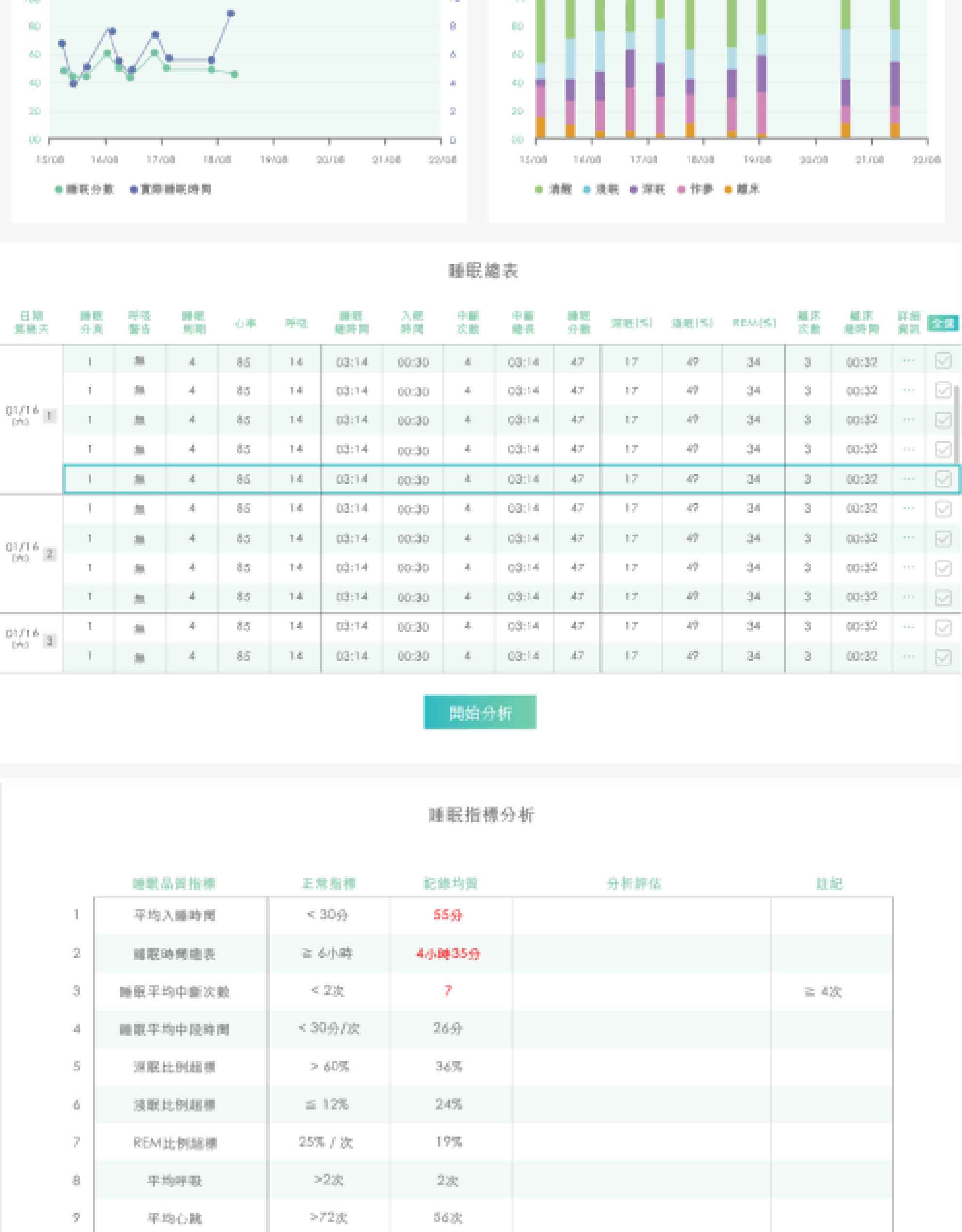
To enhance the quality of professional consultations, I designed a dedicated doctor-side dashboard that grants secure access to users’ sleep tracking data upon appointment. The interface features clear visualizations, trend analysis, and auto-generated reports—making it easier for doctors to interpret sleep patterns and communicate with patients effectively. This improved doctor-reported diagnostic efficiency and 93% of participating clinicians reported higher confidence in sleep disorder evaluations during beta rollout with partner clinics.
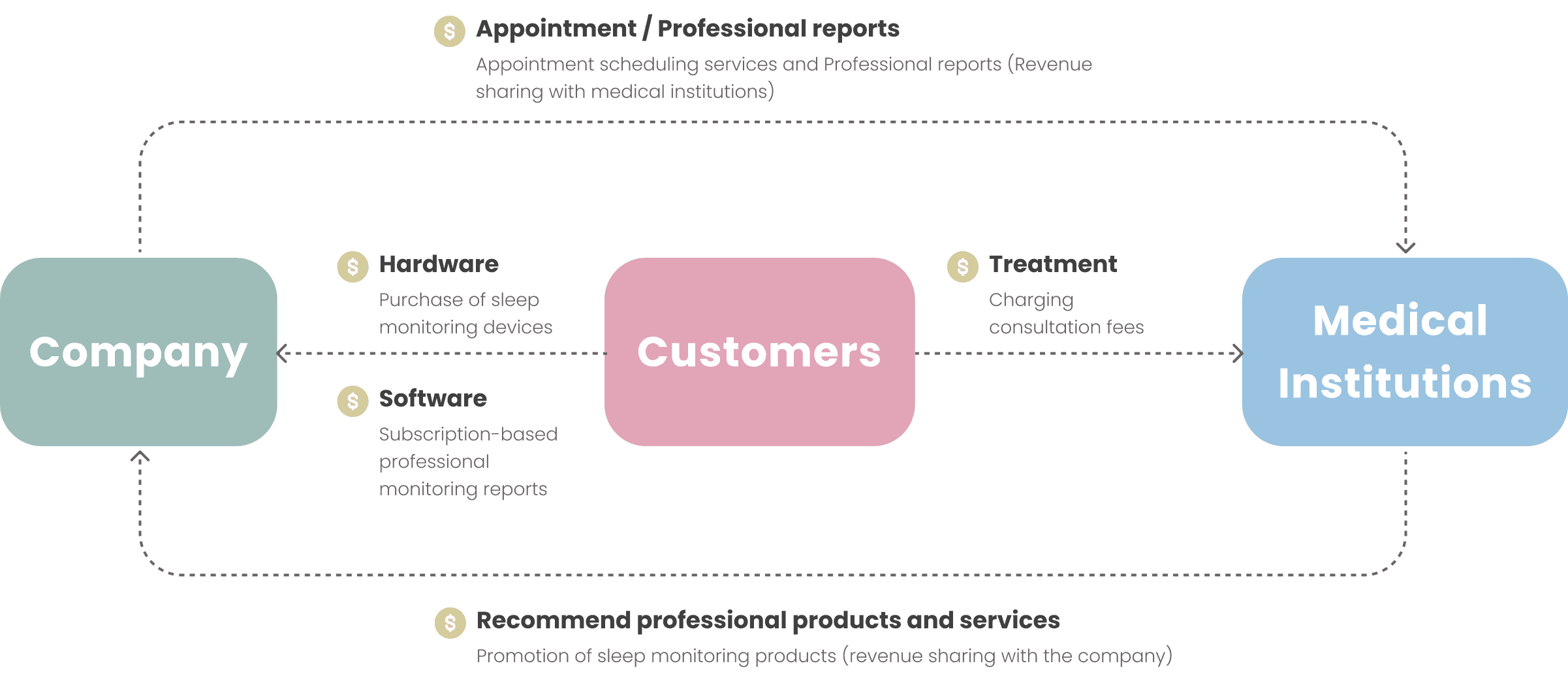
In collaboration with the Product Owner, I helped shape a sustainable business model that connects sleep tracking system developers, smart mattress brands, and professional sleep clinics into a mutually beneficial ecosystem. This model enables resource sharing and user referral loops, allowing each party to grow while offering better support for users with sleep issues.