2019
Increased sign-up conversion rate by 21% by redesigning the registration flow and homepage layout, raising conversion from 8.5% to 10.3%, particularly among younger users.
Reduced early user drop-off by 18% by using modern visuals, animations, and trial incentives, lowering the 30-min bounce rate from 68% to 50%.
Shortened homepage task time by 35% through A/B testing of 3 layouts, cutting task time from 72s to 47s.
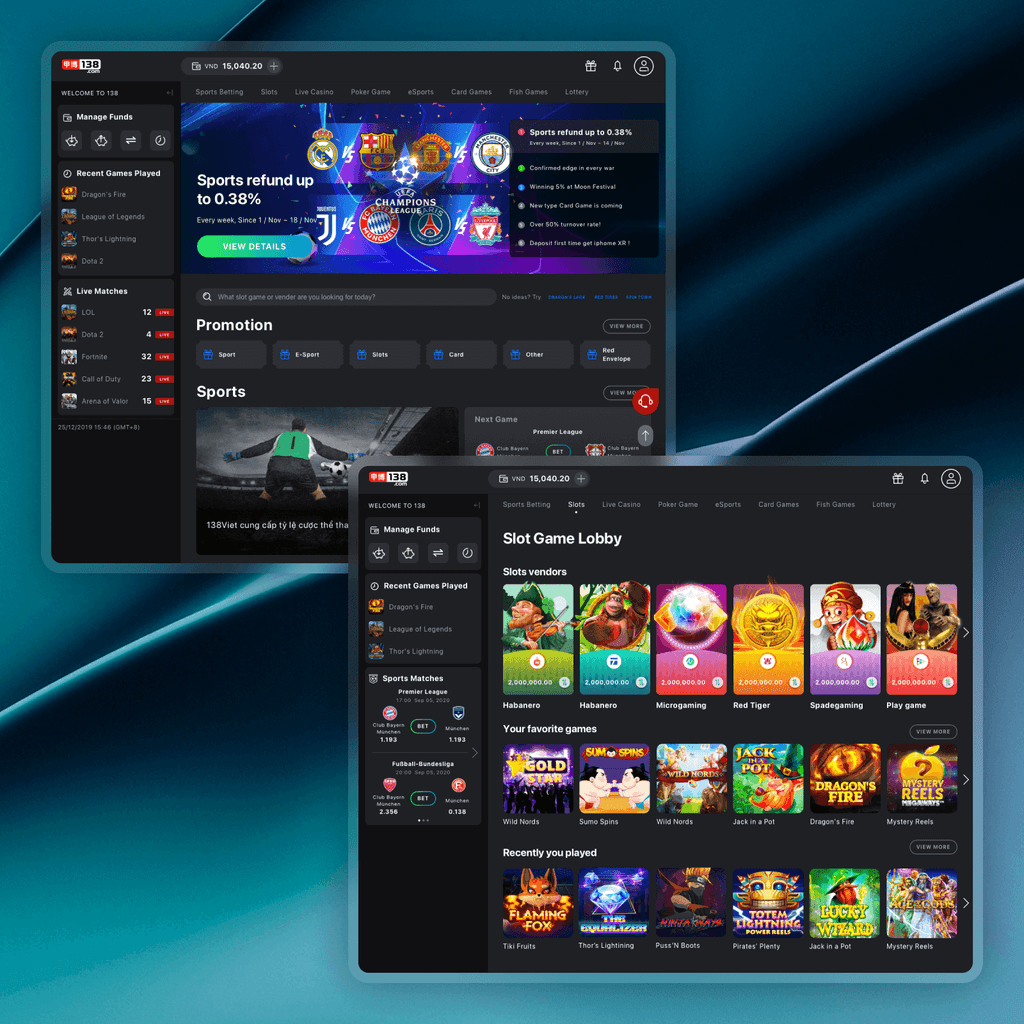
Led redesign of homepage and slot page, using card layout and horizontal scroll to help users identify games in under 5 seconds.
Completed usability testing in 8 work days, including prototyping and stakeholder buy-in, and created a reusable testing SOP.
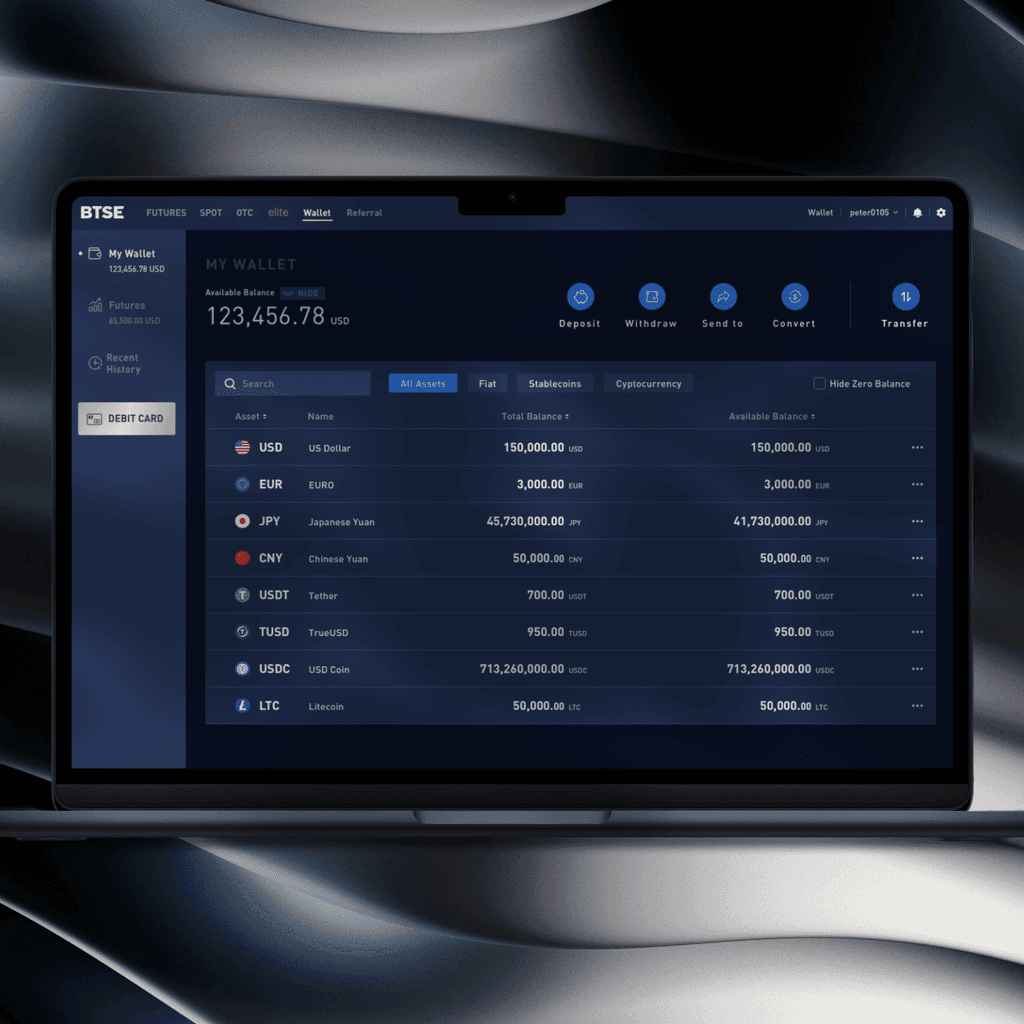
Optimized wallet flow and added key entry points, reducing friction and recovering lost users from outdated UX.

Services
Research
UX & UI Design
Platforms
Website
Web App
Tools
Sketch
AI+PS
My Role
Researcher
UX/UI Designer
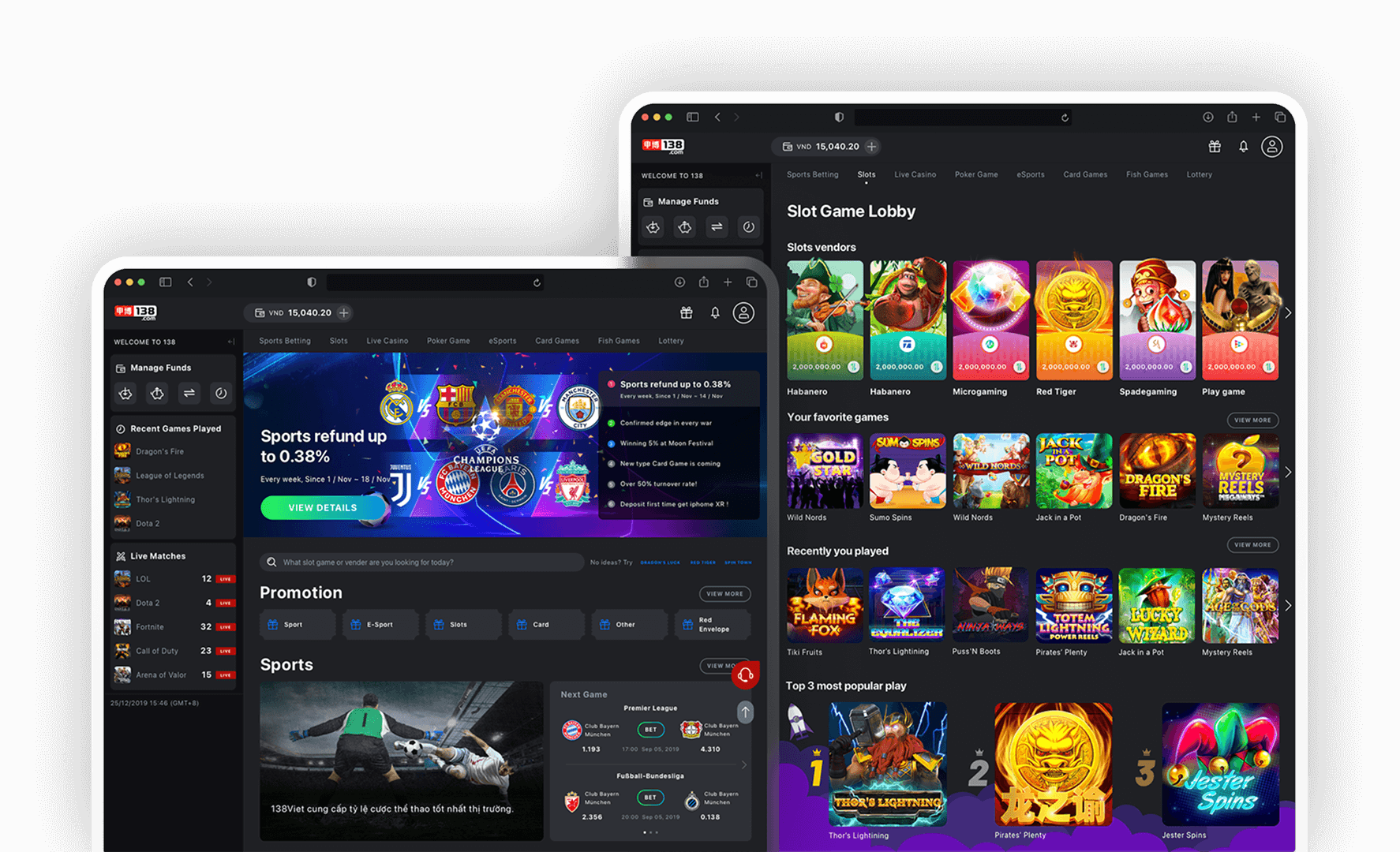
138 Sunbet, a legacy gaming platform, faced declining engagement from younger users. Our team led a full UX overhaul to modernize the interface and boost retention. I led the redesign of the homepage and slot page, creating animated prototypes to test layouts and styles. I also conducted usability testing and optimized the wallet flow. My work reduced early user drop-off by 18%, lowering the 30-minute bounce rate from 68% to 50%.
Duration: 2 weeks of initial concept proposals and user task testing, followed by 3 months of full platform redesign through to launch.
TA: Younger online gaming players.
Scope: Led the visual style proposal and designed the homepage and slot landing page. Planned and executed usability task flows to validate and refine the user experience.
The platform faced declining engagement from younger users, with a 47% drop in sign-ups and 79% leaving within 10 minutes. Outdated onboarding, cluttered UI, and poor game discovery created friction early on. Despite a vast game library, 83% exited games within 15 seconds, showing a clear gap between user expectations and experience.
Registration dropped 47% YoY, especially among 18–30-year-olds, due to an outdated onboarding experience that failed to engage younger users.
79% of new users drop within 10 minutes due to a weak first-touch experience and distrust caused by aggressive banner ads and CTA buttons.
83% of users exit within 15 seconds, showing that game pages don’t meet expectations or offer instant feedback, causing frustration and quick drop-off.
Despite a large game library, users struggle to find desired content due to unclear categorization and missing filters, making exploration inefficient and frustrating.
Younger users dropped off quickly due to outdated onboarding, cluttered visuals, and poor game discovery. We aimed to modernize the first-touch experience, simplify navigation, and build trust through a cleaner, more intuitive design, helping users find and play games faster from the very first click.
Simplify the Sign-Up Journey
Reduce steps and add more visible entry points across the UI to lower friction and better guide younger users through the process.
Boost Early Engagement
Use smart game recommendations, rankings, and intuitive onboarding tasks to keep new users engaged from the start.
Improve Game Discovery
Introduce clearer visuals, game previews, and simplified interactions to reduce bounce and increase game entry rates.
Refine the Visual Experience
Eliminate clutter, unify the design language, and reduce over-promotional visuals and CTAs to build trust and modern appeal.
We needed to convince stakeholders to invest in a full redesign, proving that better UX and a modernized visual style could re-engage users and boost revenue.
Designers owned isolated features with little visibility into the full user journey, making it hard to maintain consistency. New features often felt like add-ons, lacking cohesive design logic or integration.
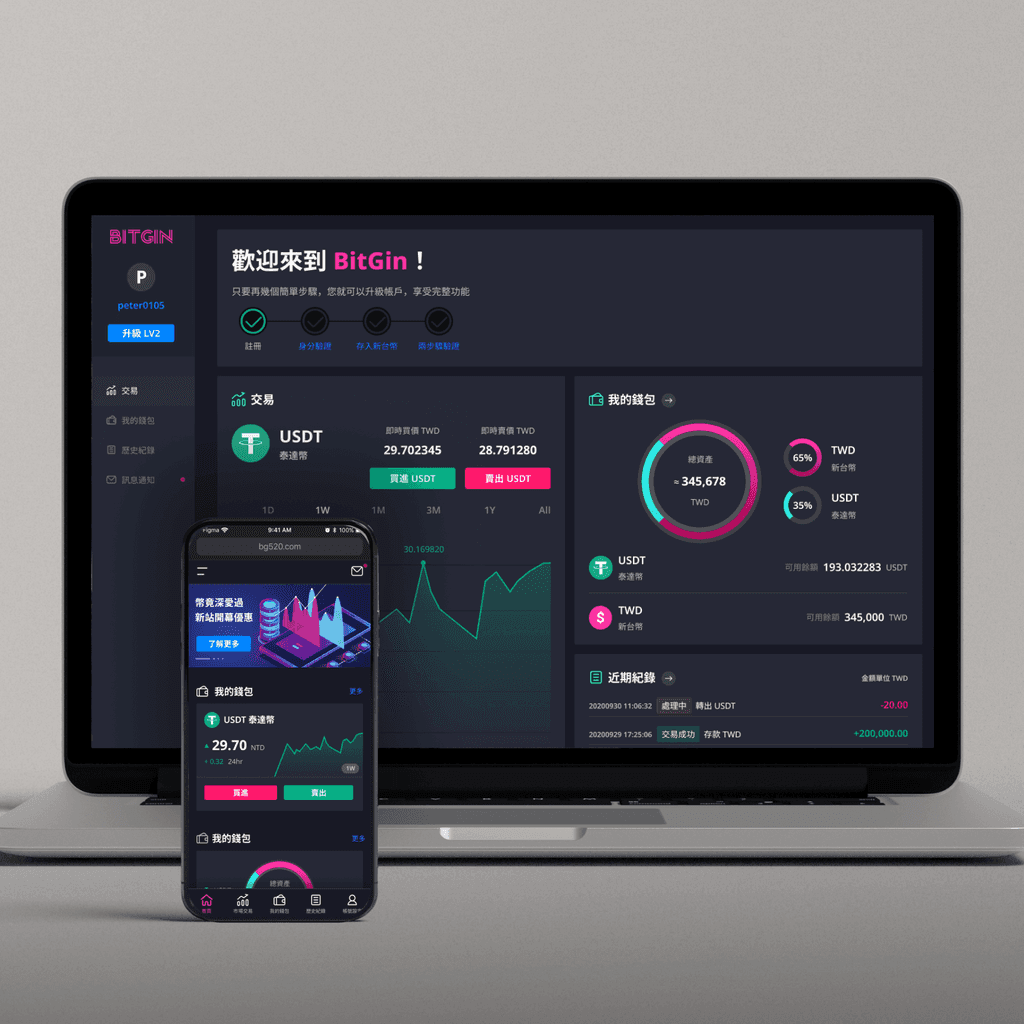
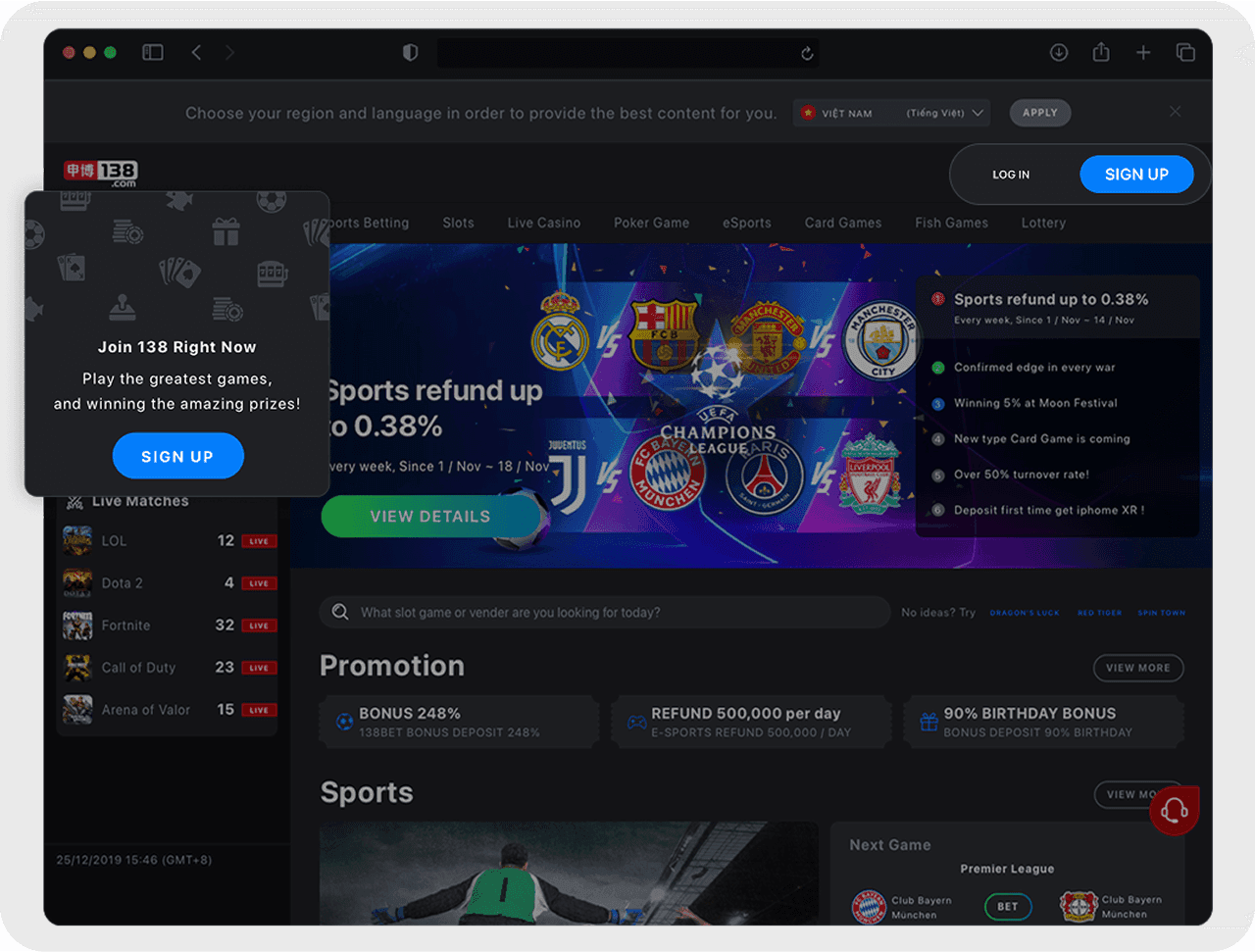
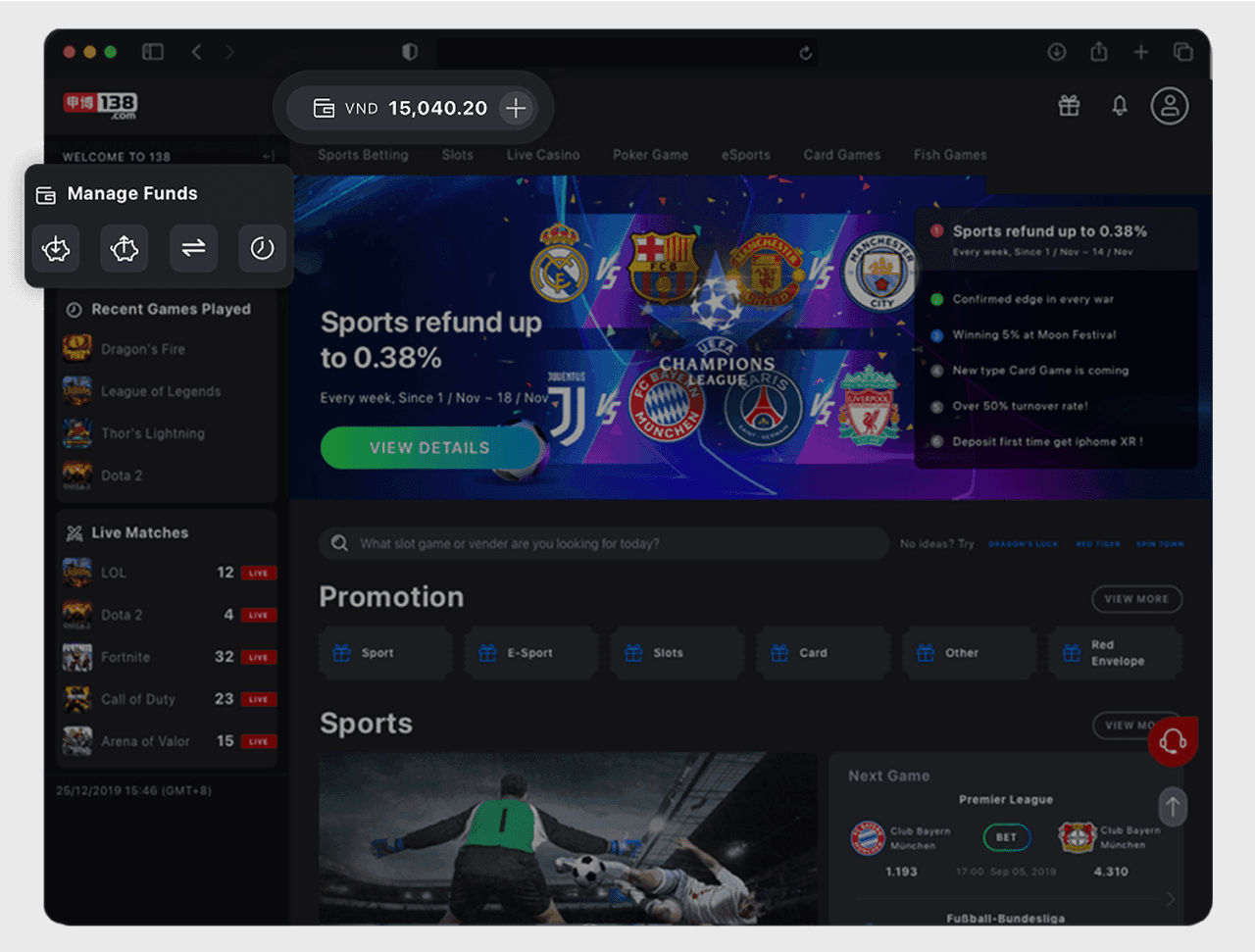
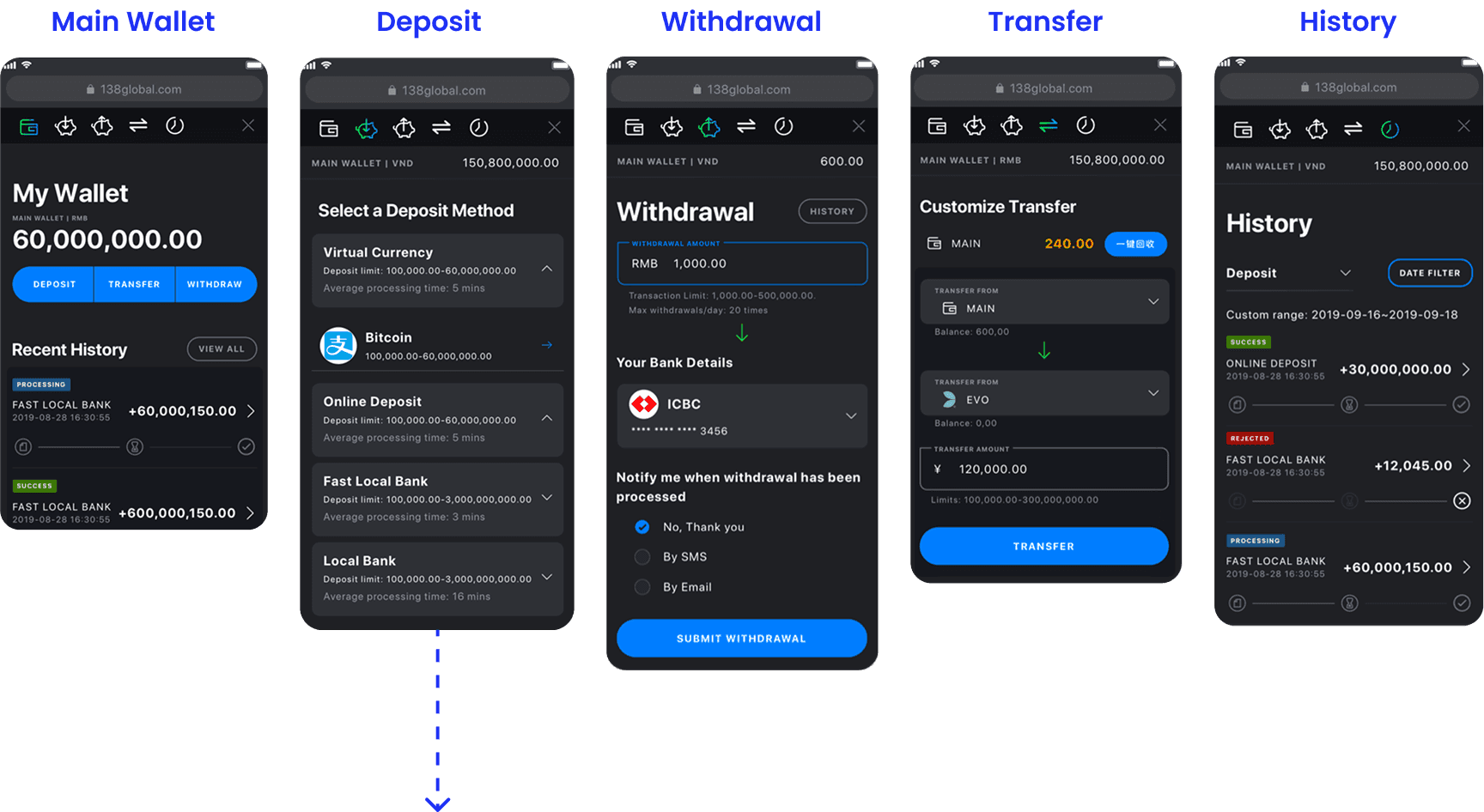
I designed high-impact entry points, including quick sign-up modules and a post-login wallet dashboard, to surface key commercial actions like deposit, withdrawal, and transfer. By increasing visibility of revenue-driving features, we reduced friction and improved conversion throughout the user journey.
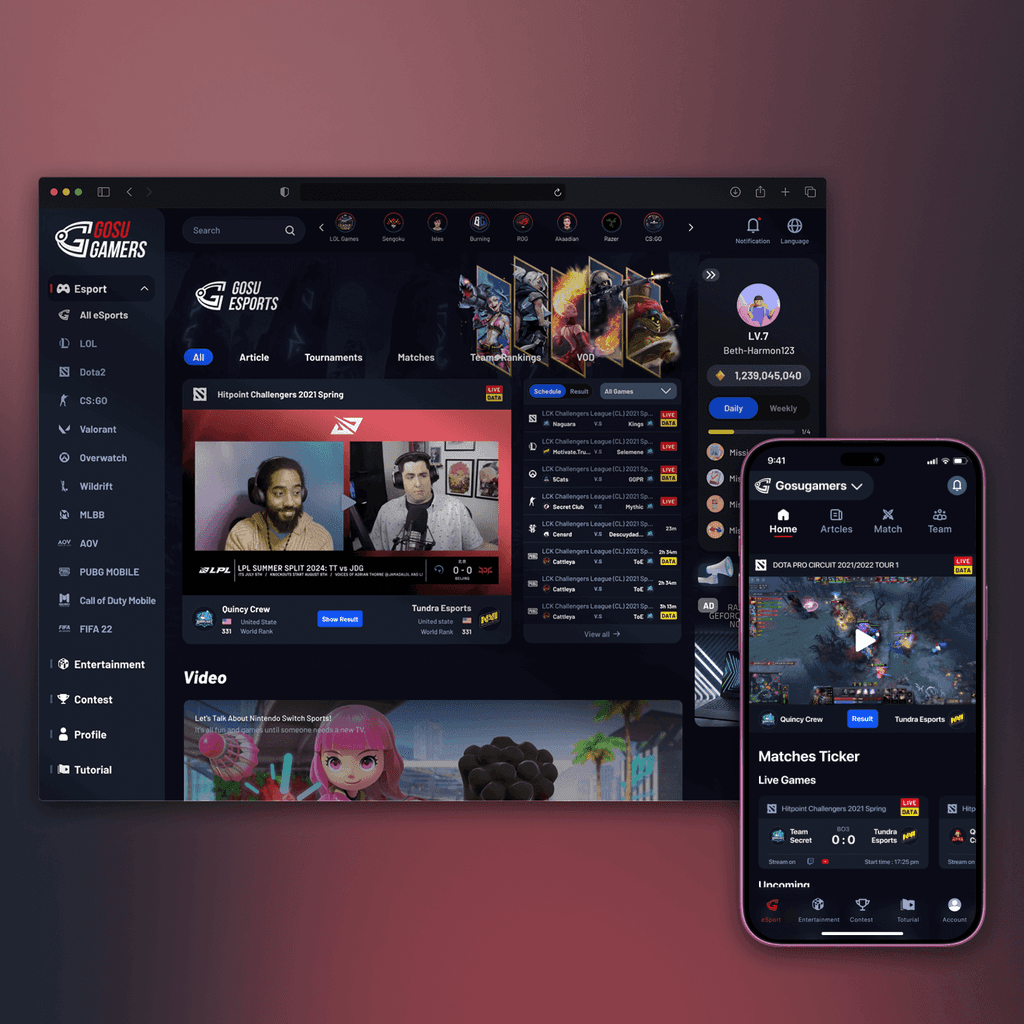
I integrated real-time scores and live streaming to enhance user immersion in sports and esports betting. This gave users a stronger sense of control and participation, shifting them from passive viewing to active engagement. As a result, engagement increased by 26%, and live page time grew by 34%, boosting overall retention.
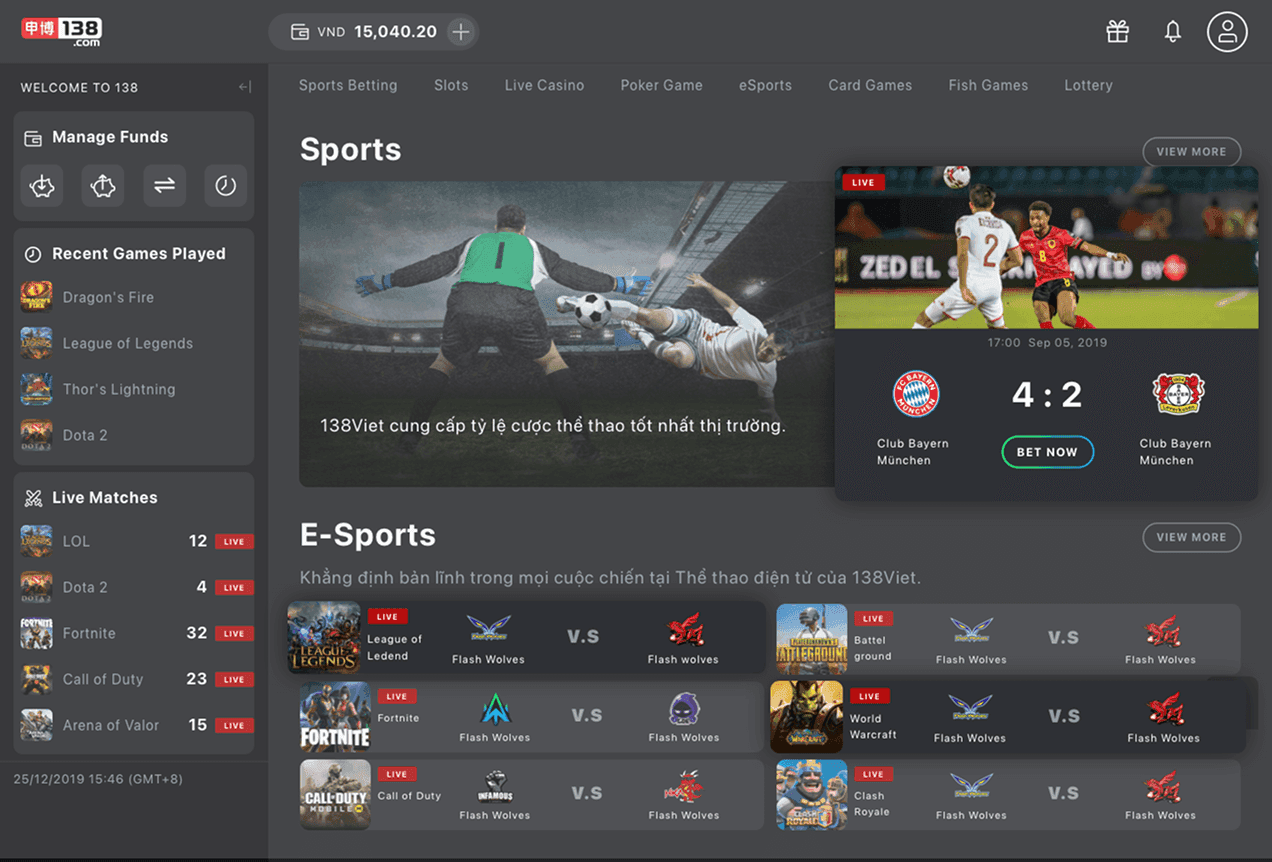
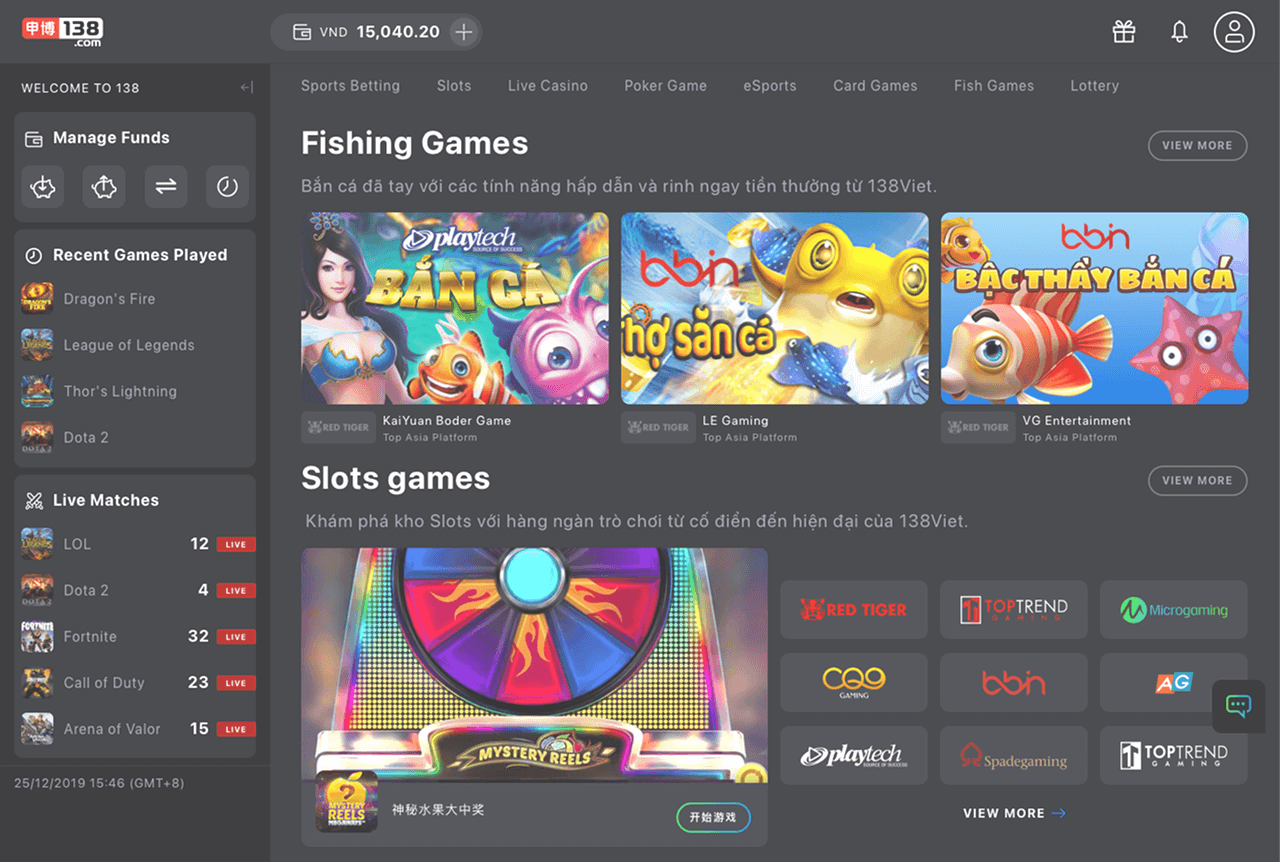

I designed a featured block combining vendor game trailers with a demo play option, helping users preview games before entering. This reduced bounce from mismatched content and improved discovery. The result: demo engagement rose by 22%, and featured game entries increased by 17%.
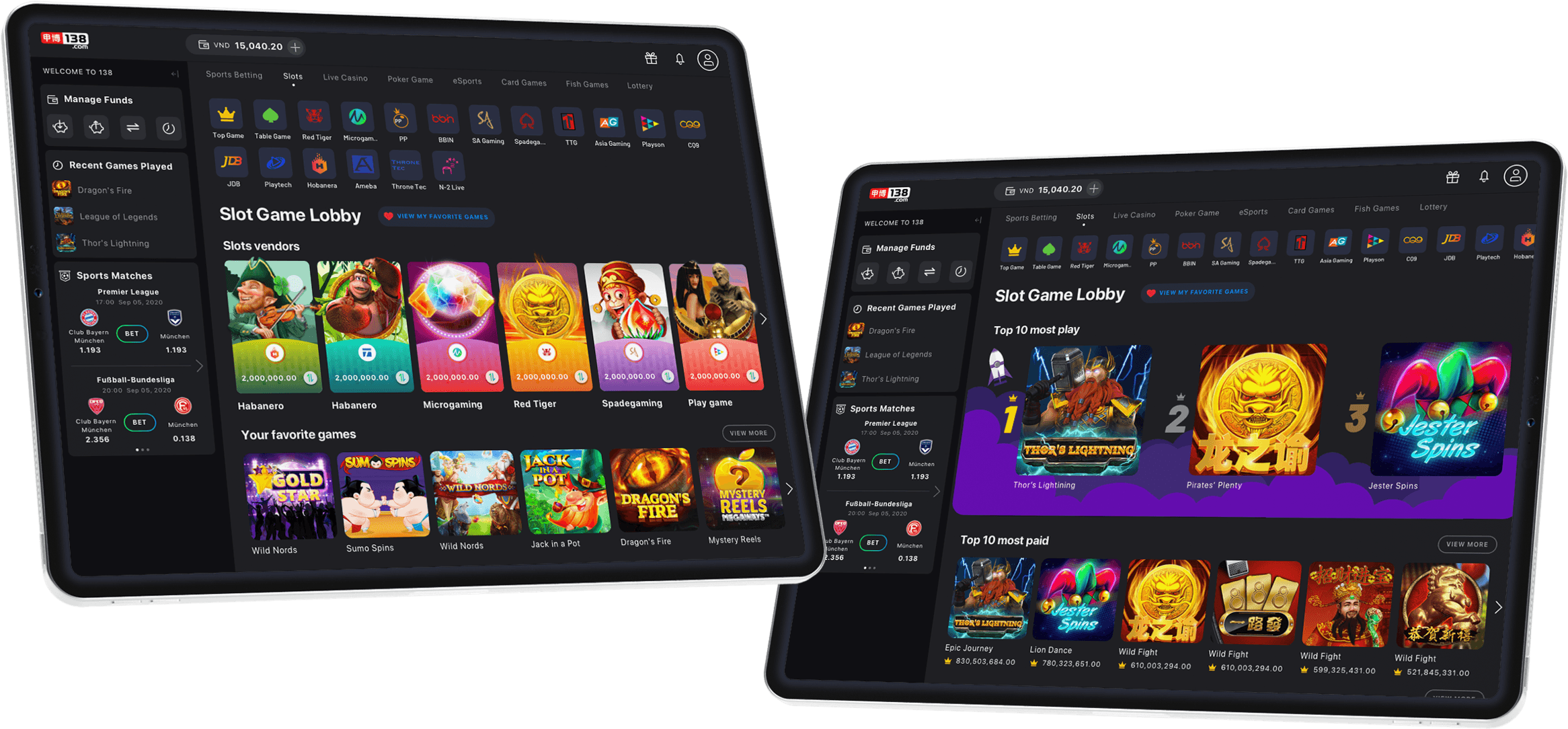
To increase visual engagement on the slots page, I designed a dynamic layout using 3D game characters, each styled with distinct color palettes and patterned backgrounds based on their respective vendors. This created a more immersive, game-like atmosphere that captured attention and encouraged exploration. I also added a sub-wallet summary module, allowing users to quickly view their balances across different vendors. As a result, the page saw a 22% increase in click-through rates and a noticeable boost in user retention.

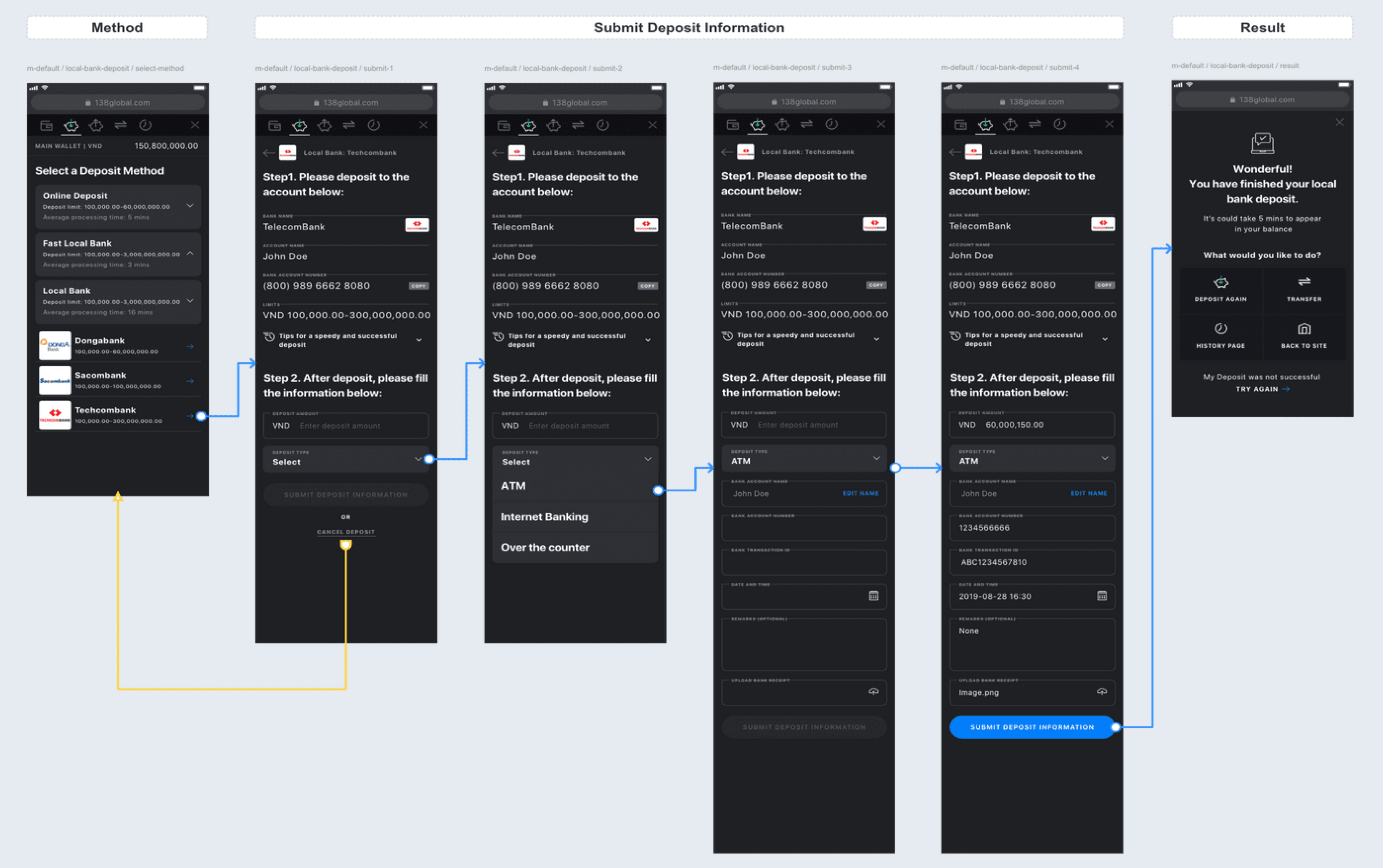
I simplified the wallet experience by introducing top-level tabs for quick access to deposits, withdrawals, and transfers. A unified design system ensures consistency across regions, while modular architecture allows easy integration of local payment methods and future providers. I also improved transitions between main and game wallets, reducing friction and making fund transfers more intuitive.
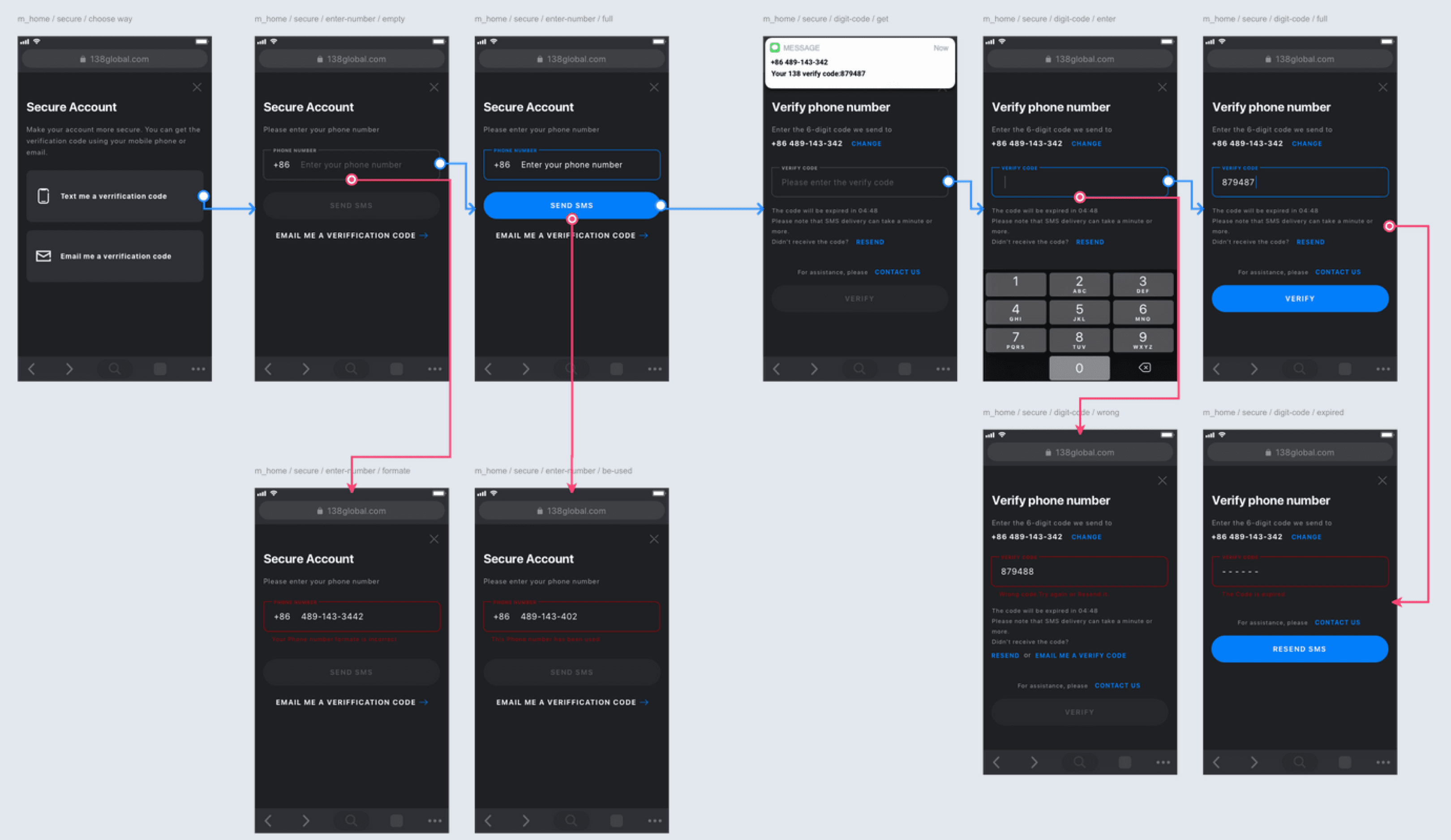
To improve data security and meet regulatory compliance, I redesigned the identity verification process with a more user-friendly approach. Instead of asking users to complete all steps at once, I broke the flow into two stages, basic info entry and ID document upload, making the experience less overwhelming. By simplifying form fields and offering real-time instructions, we saw a 38% increase in verification completion and a 42% reduction in KYC drop-off, while maintaining full compliance across markets.